Skip to content
Customer Experience BPO
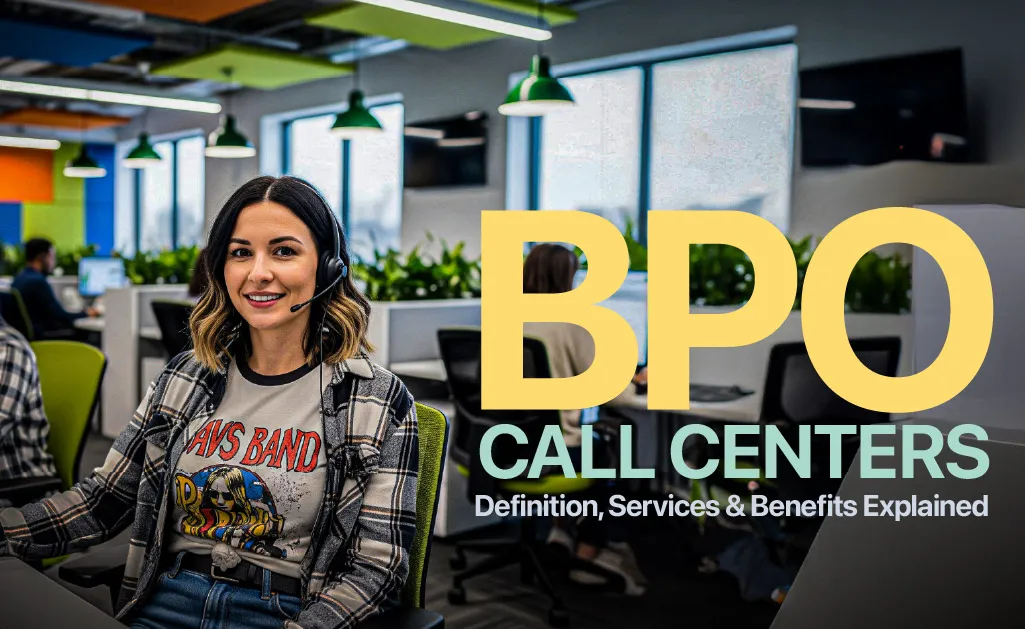
BPO Call Centers: Definition, Services & Benefits Explained
Learn what BPO call centers are, how they work, the services they provide, and why businesses outsource customer support and back-office tasks to expert partners.
TL;DR — Quick Takeaways
- A BPO call center is a third-party partner that manages customer communication for your business.
- They handle inbound, outbound, digital, and back-office support services.
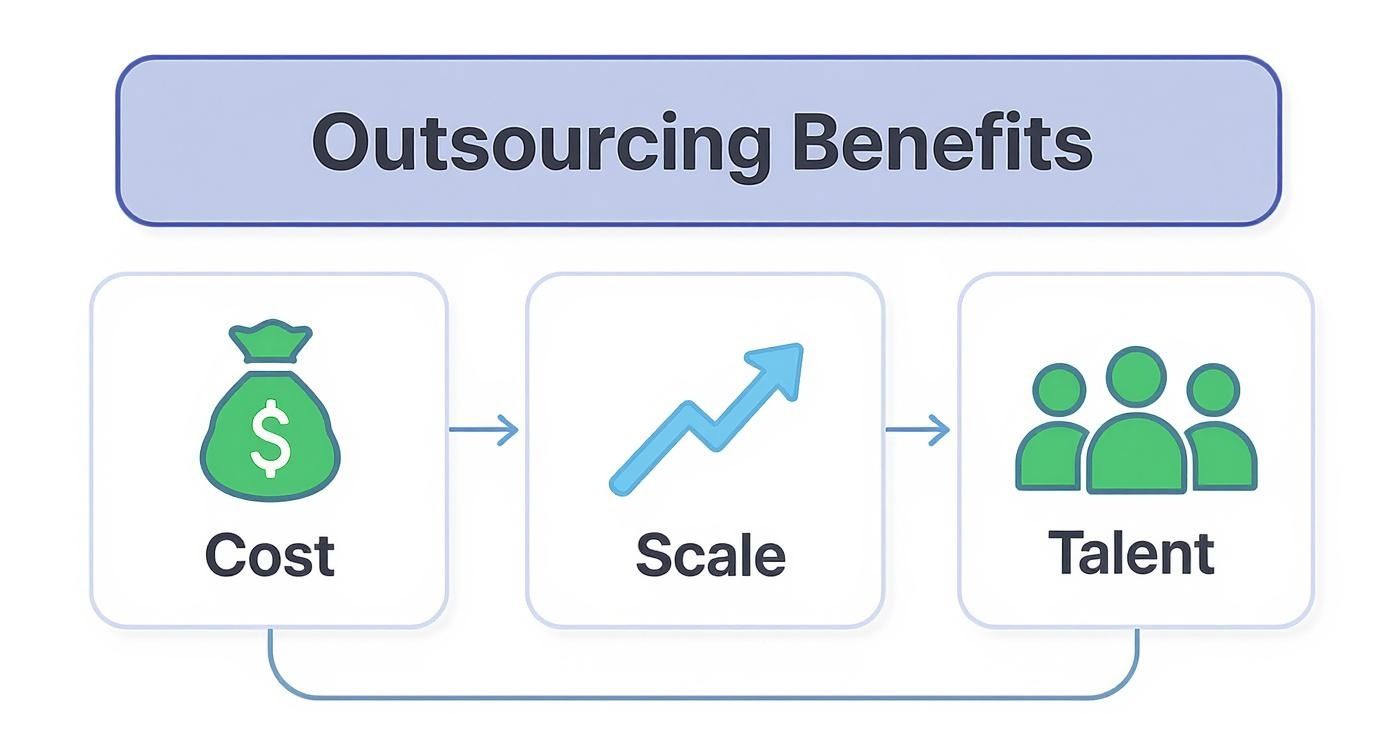
- Outsourcing reduces costs, increases scalability, and provides access to skilled talent.
- A strong BPO partnership improves customer experience and operational efficiency.
Ever felt the pressure to scale your customer support team overnight, but winced at the thought of the hiring and overhead costs? You’re not alone. That’s exactly where a BPO call center steps in, acting as your strategic partner—a specialized department that manages customer communications outside your main office but stays completely in sync with your brand.
 What Exactly Does BPO Call Center Mean?
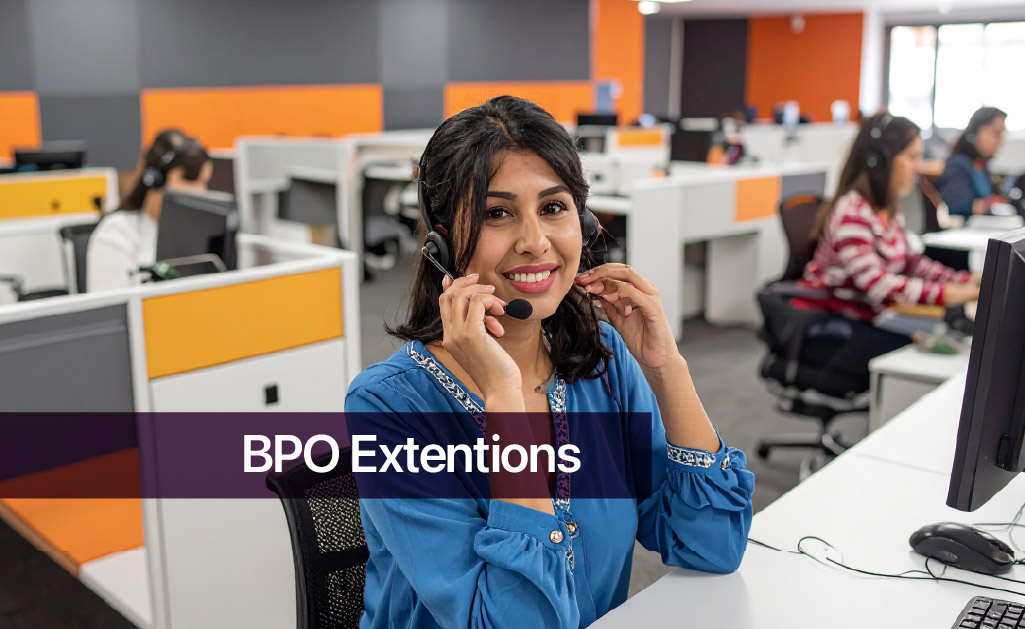
To define BPO call center in simple terms, it’s the practice of hiring a specialized company to handle your customer communications. Instead of building a customer service department from scratch—recruiting, training, managing staff, and investing in technology—you partner with a provider that already has a professional setup.
This partner becomes a seamless extension of your team. They learn your brand’s voice, understand your products inside and out, and follow your procedures to ensure every customer receives a consistent, high-quality experience.
Breaking Down the Acronyms
Let’s clear up the jargon. BPO stands for Business Process Outsourcing. It’s the broad practice of delegating specific business operations to a third-party provider. A call center, which manages customer communications, is one of the most common services outsourced. You can get a deeper dive in our guide on what Business Process Outsourcing is.
At its core, a BPO call center specializes in one critical business process: communication. To give you a clearer picture, let’s look at what they do day-to-day.
A Look at Core BPO Call Center Functions
This table offers a snapshot of what a BPO call center handles. It’s much more than just answering phones.
| Function Category | Description | Real-World Examples |
|---|---|---|
| Inbound Services | Managing incoming communications from customers. | Customer support calls, order processing, technical help desks, appointment scheduling. |
| Outbound Services | Proactively reaching out to customers or potential leads. | Lead generation calls, sales follow-ups, appointment setting, market research surveys. |
| Digital & Back Office | Handling non-voice tasks that support customer operations. | Email responses, live chat support, social media management, data entry. |
As you can see, their responsibilities cover the entire customer communication spectrum, ensuring no inquiry or opportunity slips through the cracks.
More Than Just a Vendor
The best BPO relationships are true partnerships. A strategic partner integrates with your operations, providing valuable data and insights that help you improve your overall customer experience. It’s this collaborative approach that’s fueling growth in the global market. For a wider view of the sector, you can explore how the BPO industry operates on a larger scale.
A BPO call center isn’t just about answering phones; it’s about outsourcing the entire customer communication function to a specialist who can do it more efficiently and effectively.
This model has become a cornerstone for businesses of all sizes. The global BPO market is projected to reach approximately $415.73 billion by 2025, a powerful testament to the value it brings to industries like retail, finance, and healthcare.
Inbound vs. Outbound: Understanding BPO Call Center Services
To truly define BPO call center operations, you have to look at its two core functions: inbound and outbound services. They sound simple, but the way a BPO partner executes them is where their value becomes clear. Let’s look at what these services look like in the real world.
Inbound Services: Your Customer Welcome Mat
Think of inbound services as the welcome mat for your business. This is all about reacting when a customer reaches out to you. They have a question, a problem, or a need, and they’re initiating the contact.
Practical Example: A customer buys a product from your e-commerce store and calls to check its shipping status. A BPO agent, trained on your logistics software, pulls up the order. They don’t just provide a tracking number; they confirm the delivery address, give a reliable ETA, and proactively answer a question about the return policy. This turns a simple query into a positive, brand-affirming interaction. That’s the heart of a great inbound call center service.
Inbound support covers any situation where the customer comes to you. Key services include:
- Customer Service: Answering general questions, checking on orders, and managing account details.
- Technical Support: Helping customers troubleshoot a product or navigate software.
- Order Processing: Taking new orders over the phone and handling payments securely.
- Complaint Resolution: Turning a negative experience into a positive one through empathetic problem-solving. To master this, BPOs need effective strategies for handling customer complaints.
Outbound Services: Driving Proactive Growth
Now, let’s flip the script. Outbound services are about being proactive. This is where the BPO call center reaches out to customers or leads on your behalf. You aren’t waiting for the phone to ring; you’re making it ring for a strategic reason.
Practical Example: A B2B software company launches a new feature. Their small internal sales team is focused on closing high-value deals. A BPO partner can supercharge their pipeline by calling a targeted list of potential clients. The BPO agents introduce the new feature, gauge interest, and qualify the best leads. From there, they schedule demos directly on your sales team’s calendar. This teamwork allows your core staff to focus on what they do best—closing.
An inbound call might save a relationship with an existing customer, while an outbound call could start a new one. A great BPO partnership weaves both together to strengthen your brand and drive business forward.
Beyond Phone Calls: How a BPO Call Center Manages Digital Support
When you hear “call center,” it’s easy to picture rows of agents on the phone. But to define BPO call center in today’s world, you have to look beyond the headset. Modern customers interact with brands across dozens of touchpoints, from a quick question on live chat to a detailed complaint via email or a DM on social media.
A top-tier BPO partner doesn’t just answer calls; it orchestrates this entire digital ecosystem. This includes handling “back-office” functions that are invisible to the customer but essential for a smooth experience.
The Power of Back-Office Support in a BPO Call Center
Back-office tasks are the critical, non-customer-facing jobs that keep your operations running. A BPO call center often takes these on to free up your internal team, ensuring every process is handled with precision.
Here’s what that typically includes:
- Data Entry: Accurately inputting customer information, order details, and survey responses into your CRM.
- Payment and Order Processing: Securely handling transactions and managing billing inquiries to keep cash flow moving.
- Content Moderation: Reviewing user-generated comments and posts to protect your brand and maintain community standards.
Practical Example: An e-commerce brand’s marketing campaign goes viral, causing a huge spike in orders. A BPO partner can process thousands of orders, update customer records, and moderate product reviews simultaneously. This ensures the entire post-purchase experience remains flawless, even during a massive surge.
Meeting Customers on Their Terms with Omnichannel Support
While the back office keeps the engine running, omnichannel support is how you connect with customers where they are. This approach weaves every communication channel—phone, email, chat, social media—into one seamless conversation. You can dive deeper into the evolution of customer communication channels in our detailed guide.
True omnichannel support means a customer can start a conversation on live chat, continue it via email, and finish it on the phone without ever having to repeat themselves.
Practical Example: An online retailer is navigating a flash sale. They partner with a BPO to handle the flood of questions. An agent seamlessly transitions from answering a live chat about inventory to responding to an Instagram DM about shipping, all while having the customer’s full history at their fingertips. This integrated system ensures no one falls through the cracks, building loyalty no matter how they reach out.
Why Do Companies Choose to Outsource to a BPO Call Center?
So, we’ve defined what a BPO call center is. The next logical question is why so many businesses make the switch. Outsourcing isn’t just about offloading tasks; it’s a strategic move to unlock efficiency, flexibility, and expertise that’s difficult and expensive to build in-house.
The Strategic Advantage of Cost Efficiency
The most immediate benefit of outsourcing is cost savings. Building an in-house team requires significant investment in recruiting, training, salaries, benefits, office space, and technology. A BPO partner turns that massive capital expenditure into a predictable operational expense.
Practical Example: A growing e-commerce company can avoid a six-figure investment in a new office and call center software by partnering with a BPO. They pay for the agents they need, when they need them, transforming a huge upfront cost into a manageable monthly fee. This is a core reason why companies choose to outsource work.
How a BPO Call Center Enables On-Demand Scalability
Business is never static. You have seasonal rushes, product launches, and unexpected market shifts. An in-house team is rigid—you can’t hire twenty agents for a one-month holiday peak and then let them go. A BPO provider offers incredible flexibility.
Practical Example: Your software company is launching a major update and you anticipate a 30% spike in support tickets. With a BPO partner, you can instantly scale up your support team to handle the influx. Once things quiet down, you scale right back down. You only pay for what you use.
Outsourcing transforms your support function from a fixed cost center into a flexible, on-demand resource that grows and shrinks with your business.
Accessing a Global Talent Pool
Outsourcing opens the door to specialized talent you may not find or afford locally. Partnering with a nearshore provider like CallZent offers a powerful mix of benefits: close cultural alignment with North American customers, convenient time zones, and access to a deep pool of highly-skilled, bilingual professionals.
This model gets proven results. Recent data shows that top-performing outsourced call centers achieve customer satisfaction (CSAT) scores of 85-90%, on par with the best in-house teams. With over 70% of companies now outsourcing some customer support, it’s a proven strategy for growth. You can discover more insights on the effectiveness of BPO partnerships at StealthAgents.com.
How to Measure BPO Call Center Performance
A partnership is only as good as its results. Once you team up with a BPO, you need a clear way to track their success and ensure you’re getting the value you paid for. This comes down to Key Performance Indicators (KPIs) and Service Level Agreements (SLAs).
Think of it this way: KPIs are the individual stats in a game, like points scored. The SLA is the rulebook that defines what it takes to win.
Key Performance Indicators for BPO Call Center Success
Here are the essential metrics that define BPO call center performance:
- Average Handle Time (AHT): The total time an agent spends on an interaction, from start to finish. The goal is a balance between efficiency and thorough, high-quality service.
- First Call Resolution (FCR): The percentage of issues solved on the first contact. A high FCR is a huge win—it boosts customer satisfaction by saving them time and frustration.
- Customer Satisfaction (CSAT): A direct rating of customer happiness, usually from a post-call survey. It’s the clearest indicator of how your BPO partner is representing your brand.
Common BPO Performance Metrics
| Metric (KPI) | What It Measures | Why It Matters for a BPO Call Center |
|---|---|---|
| Average Handle Time (AHT) | Average duration of a customer interaction (talk, hold, and wrap-up). | Measures agent efficiency and helps forecast staffing needs. |
| First Call Resolution (FCR) | Percentage of issues resolved on the first contact. | A high FCR indicates skilled agents and efficient processes, leading to higher CSAT. |
| Customer Satisfaction (CSAT) | Direct customer feedback on their experience, typically rated 1-5. | Provides a real-time pulse on service quality and brand perception. |
| Service Level | Percentage of calls answered within a set time (e.g., 80% of calls in 20 seconds). | Measures responsiveness and ensures customers aren’t left waiting. |
A great partner doesn’t just report numbers; they provide context and a plan for continuous improvement, turning raw data into actionable business intelligence.
The Role of Service Level Agreements (SLAs)
An SLA formalizes these KPIs into a binding agreement. It spells out the exact standards the BPO must meet—for example, maintaining a CSAT score of 90% or higher.
The SLA is your guarantee of quality and accountability. It ensures you and your BPO partner are perfectly aligned on what success looks like. Exploring different customer service performance indicators can help you decide which metrics are most critical for your SLA.
How to Choose the Right BPO Call Center Partner
Choosing a BPO partner is a major business decision. You’re not just hiring a vendor; you’re trusting a team to be the voice of your brand. Here’s what to look for to ensure success.
Verify Technology, Security, and Culture
First, assess their technology. Can they provide a true omnichannel experience? Do they use AI-powered analytics to track performance and uncover customer insights? These tools are essential for meeting modern expectations.
Next, get serious about security. Your partner will handle sensitive customer data, so verify their certifications. Look for compliance with standards like PCI (for payments) or HIPAA (for healthcare). This protects your customers and your reputation.
Finally, evaluate their company culture. A BPO that invests in its people will have lower agent turnover, which means more consistent, high-quality service for your customers.
The right BPO partner doesn’t just adopt your scripts; they adopt your brand’s mission and ethos, making every customer interaction a seamless reflection of your company.
Align on Modern Customer Expectations
The BPO industry is evolving rapidly. It’s expected that chatbots will handle up to 80% of routine inquiries by 2025, freeing human agents for complex issues. Today’s customers expect chat responses in under 45 seconds and won’t wait on hold for more than two minutes. A forward-thinking BPO is built to meet these demands. You can read more about how BPO centers are meeting modern demands on TeamSupport.com.
Finding a partner with the right blend of technology, security, and cultural fit is everything. At CallZent, our nearshore location, skilled bilingual agents, and advanced systems are designed to meet these criteria. If you’re ready to find a partner to help you achieve your goals, Contact us today to discuss your specific business needs.
FAQs About BPO Call Centers
Here are quick answers to the questions we hear most often when business leaders try to define BPO call center partnerships.
What’s the difference between a BPO and a call center?
Think of it this way: a call center is a service, while BPO is the industry. A traditional call center focuses on handling phone calls. A BPO (Business Process Outsourcing) is a much broader concept that covers outsourcing almost any business function, from customer support and data entry to accounting or HR. A call center is just one of the many services a BPO firm can offer.
How does a BPO call center represent our brand correctly?
This is a critical question. A top-tier BPO partner doesn’t just read from a script; they become immersed in your brand. The process begins with a deep dive into your company’s voice, values, products, and processes. Through intensive training and ongoing quality monitoring, they ensure every agent acts as a seamless extension of your in-house team, so customers feel like they’re talking to you directly.
🚀 Scale Your Customer Support With a Trusted BPO Partner
CallZent provides bilingual nearshore agents, omnichannel support, and flexible staffing designed to grow with your business.
Ready to see how a strategic BPO partnership can transform your customer experience? The team at CallZent has over two decades of experience helping businesses scale efficiently. Explore our custom solutions at https://callzent.com.