Skip to content
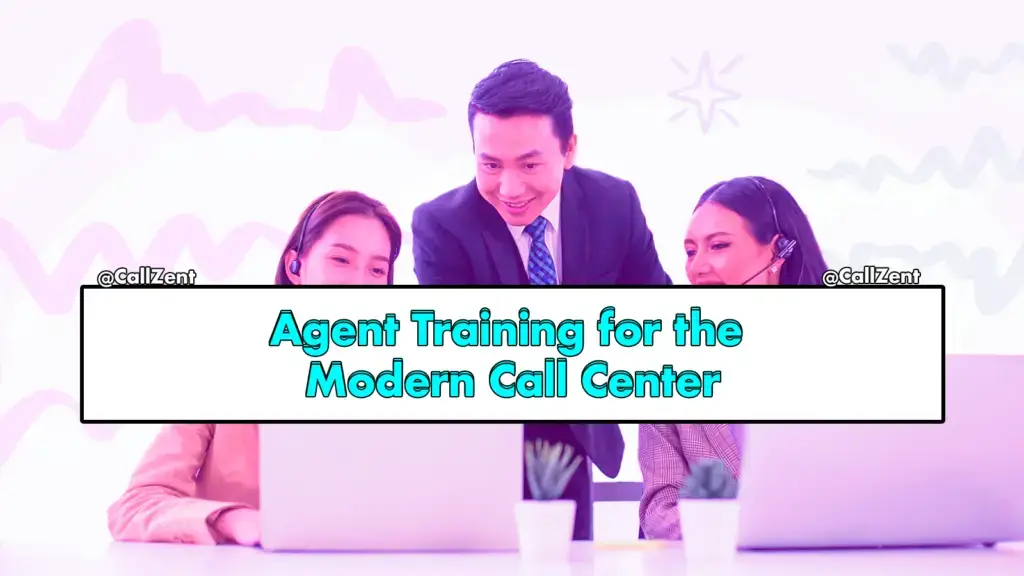
Agent Training for the Modern Call Center: Strategies for Success
Call centers are at the forefront of building and maintaining customer relationships. To meet the growing expectations of customers and stay competitive, modern call centers must prioritize comprehensive agent training training programs and agent training best practices. Today’s call center strategies emphasize the importance of effective training to ensure exceptional customer service, operational efficiency, and employee satisfaction.
TL;DR — Why Modern Agent Training Matters
- Well-trained agents resolve issues faster, personalize customer experiences, and build loyalty.
- Training improves efficiency by reducing escalations and boosting first-call resolution (FCR).
- Strong training programs increase employee satisfaction, reducing turnover and stress.
- Core training areas: technology skills, soft skills, product knowledge, and compliance.
- Modern methods include e-learning, role-playing, AI-driven feedback, and peer mentoring.
- KPIs like CSAT, FCR, and retention rates help measure training effectiveness.
- The future of training lies in AI, VR/AR simulations, and a focus on agent well-being.
The Importance of Agent Training for the Modern Call Center
The success of a call center largely hinges on the competency and confidence of its agents. Training goes far beyond the basics of answering calls or handling queries. It must cover technical proficiency, emotional intelligence, and industry-specific compliance. Let’s break down the benefits.
Enhancing Customer Experience
- Resolve issues efficiently: Training prepares agents to handle concerns quickly, reducing customer frustration and building trust.
- Handle diverse personalities: Customers can be frustrated, inquisitive, or neutral. Training in adaptability and empathy ensures agents can respond appropriately. A supportive modern call center office design also boosts service delivery.
- Provide personalized experiences: Customers want to feel valued. Trained agents who personalize conversations foster loyalty and repeat business.
Driving Operational Efficiency
- Reduce handling times: Skilled agents resolve issues faster, lowering average handle time (AHT).
- Minimize escalations: Training equips agents to solve problems without relying on supervisors.
- Improve FCR rates: A high first-call resolution rate boosts satisfaction while saving time and resources.
Boosting Employee Satisfaction
- Confidence and competence: Agents who feel prepared are more secure in their roles.
- Less stress: Training to handle tough scenarios reduces stress and burnout.
- Continuous learning: Ongoing development keeps agents motivated and engaged.

Core Components of Modern Agent Training
Effective training balances technical and interpersonal skills. Here are the four core components:
1. Technology Training
- CRM Systems: Mastering tools like Salesforce or HubSpot ensures seamless customer data management.
- AI Tools & Chatbots: Training in AI frees agents from repetitive tasks, letting them focus on complex issues.
- Omnichannel Platforms: Agents must deliver consistent service across phone, chat, email, and social media.
2. Soft Skills Development
- Active Listening: Understanding the customer’s needs before responding builds trust.
- Emotional Intelligence: Training helps agents stay calm and empathetic in emotional conversations.
- Conflict Resolution: Skills to de-escalate difficult situations are critical for brand reputation.
3. Product and Service Knowledge
- In-depth knowledge: Agents must fully understand offerings to assist effectively.
- Regular updates: Keeping agents informed about new policies and features avoids miscommunication.
- Handling complex queries: Confident, knowledgeable responses build customer trust.
4. Compliance and Security Training
- Regulations like GDPR & CCPA: Essential for global call centers handling sensitive data.
- Secure data handling: Protecting customer information reduces risk of breaches.
- Threat awareness: Training helps agents spot phishing or fraud attempts in real-time.

Innovative Training Methods for Modern Call Centers
Traditional classroom training is no longer enough. Modern call centers use innovative, blended learning methods to engage agents and accelerate learning.
1. E-Learning Platforms
- Interactive modules: Keeps agents engaged while learning remotely.
- Gamified learning: Adds competition and rewards to motivate progress.
- Virtual simulations: Prepares agents for real-world interactions in a safe environment.
2. Role-Playing Exercises
- Customer scenarios: Simulated conversations prepare agents for tough calls.
- Refining responses: Feedback helps agents fine-tune communication.
- Confidence building: Practicing high-stress situations reduces anxiety.
3. Real-Time Feedback
Using tools like AI-powered call analytics, supervisors can:
- Identify trends in performance metrics.
- Give instant feedback to agents after calls.
- Provide tailored guidance for continuous improvement.
4. Peer-to-Peer Learning
- Knowledge transfer: New hires learn faster from seasoned agents.
- Team cohesion: Builds a supportive culture of collaboration.
- Faster onboarding: Reduces training ramp-up time.
Measuring the Effectiveness of Training Programs
To justify the investment, call centers must measure how training impacts performance.
Key Performance Indicators (KPIs)
- CSAT: Customer satisfaction scores reflect service quality post-training.
- FCR: First call resolution rates show if agents solve issues on the first attempt.
- Retention rates: Training reduces turnover by empowering employees.
Regular Assessments
- Quizzes and evaluations ensure knowledge retention.
- Live call monitoring lets supervisors assess real-world application.
Feedback Loops
- Agent feedback: Collecting input ensures training stays relevant.
- Program adjustments: Adapt training to evolving needs and challenges.
Challenges in Agent Training for the Modern Call Center
Adapting to Rapid Technological Changes
AI, automation, and omnichannel platforms evolve quickly. Training must be updated regularly to stay effective.
Balancing Training with Operations
High call volumes leave little time for training. Micro-learning sessions and self-paced modules solve this issue.
Diverse Learning Needs
Agents learn differently. Adaptive training powered by AI helps personalize learning paths. Call center automation can further streamline both training and performance monitoring.

The Future of Agent Training in Call Centers
Artificial Intelligence in Training
- AI tailors learning paths to individual agents.
- Simulated calls provide instant performance feedback.
- Analytics reveal company-wide skill gaps for targeted training.
Virtual and Augmented Reality (VR/AR)
- VR prepares agents for high-pressure situations.
- AR provides hands-on learning for new systems or tools.
- Immersive training improves engagement and retention.
Focus on Emotional Well-being
Future training will integrate stress management and mental health support. Happier agents mean stronger customer experiences.
Agent training is no longer a one-time event—it’s an ongoing process. By focusing on technology, soft skills, compliance, and innovative training, call centers empower their agents to excel and deliver customer experiences that set brands apart.
At CallZent, we’re redefining customer service by investing in people, technology, and training. Ready to elevate your customer support strategy? Contact us today and see how our team can transform your customer interactions.
Frequently Asked Questions (FAQs)
What is the most important skill for a modern call center agent?
While technical proficiency is important, empathy and communication remain the most critical skills for building lasting customer relationships.
How often should call centers update their training programs?
At least quarterly, to keep up with new technologies, compliance changes, and evolving customer expectations.
What are the benefits of e-learning for call center agents?
E-learning provides flexibility, scalability, and cost efficiency. Agents can learn at their own pace while centers maintain consistent training standards.
How does training impact customer satisfaction?
Training improves first-call resolution, reduces wait times, and ensures agents deliver consistent, personalized service—directly boosting CSAT scores.