Skip to content

Nearshore Outsourcing Guide
Top Benefits of Nearshore Outsourcing: Your 2025 Guide to Smarter Scaling
Discover the key benefits of nearshore outsourcing — from 40–60% cost savings to bilingual talent access and real-time collaboration that accelerates growth.
TL;DR: The Core Benefits of Nearshore Outsourcing
Nearshore outsourcing blends cost savings (40–60%), time zone alignment, cultural compatibility, and access to skilled bilingual talent. It allows U.S. companies to scale operations efficiently, improve customer experience, and maintain tight quality control — without the challenges of distant offshore models.
In today’s fast-paced market, are you struggling to scale your operations without sacrificing quality or breaking the budget? You’re constantly looking for ways to reduce costs, enhance customer service, and grow intelligently. But what if the solution wasn’t about working harder, but working smarter with a partner right next door?
Many businesses are discovering the transformative power of nearshore outsourcing, a strategic move that blends the cost savings of outsourcing with the seamless collaboration of an in-house team. This guide dives deep into the tangible benefits of nearshore outsourcing, providing a clear roadmap for leaders ready to unlock new levels of productivity. We’ll explore how partnering with a nearshore BPO and call center, like CallZent in Tijuana, can revolutionize your operations and give you a powerful competitive edge.
TL;DR: The Core Benefits of Nearshore Outsourcing
Nearshore outsourcing offers a powerful combination of cost savings (40-60%), time zone alignment, cultural compatibility, and access to a skilled, bilingual workforce. This model helps U.S. businesses scale efficiently, improve customer service, and maintain high-quality control without the complexities of traditional offshore models. Key advantages include reduced operational costs, enhanced real-time collaboration, and better risk mitigation, making it a strategic choice for growth-focused companies.
1. Drastically Reduced Labor Costs Without Sacrificing Quality
One of the most immediate and compelling benefits of nearshore outsourcing is the significant reduction in operational expenses. By leveraging the wage differentials between the U.S. and neighboring countries like Mexico, businesses can access a highly skilled, educated, and bilingual workforce for 40-60% less than domestic labor costs. This strategic move directly impacts your bottom line without the common quality trade-offs associated with distant offshore locations.
Unlike some offshore alternatives, this cost-effectiveness doesn’t come at the expense of quality. Nearshore partners operate with similar professional standards and a strong understanding of U.S. business culture. For example, a tech company in California can hire a team of customer support specialists in Tijuana who are not only bilingual but also familiar with American consumer expectations, all while reducing payroll expenses by over 50%.
This isn’t just about saving money; it’s about smart reallocation. The savings can be reinvested into core business functions like innovation, marketing, and strategic growth.
Actionable Insights:
- Conduct a Cost-Benefit Analysis: Before committing, compare the fully-loaded cost of a domestic employee (salary, benefits, insurance, office space) against the all-inclusive rates of a nearshore partner.
- Negotiate Long-Term Contracts: Lock in favorable rates and mitigate currency fluctuation risks by securing a multi-year agreement with your chosen provider.
- Establish Quality Metrics: Implement detailed Service Level Agreements (SLAs) with clear, measurable KPIs for performance, such as Average Handle Time (AHT) and Customer Satisfaction (CSAT) scores. For a deeper dive into the numbers, explore the specifics of Mexico call center cost savings.
2. Time Zone Alignment Enables Faster Communication
One of the most powerful benefits of nearshore outsourcing is the ability to maintain real-time collaboration. By partnering with teams in the same or similar time zones, such as U.S. companies working with centers in Mexico, you eliminate the frustrating communication delays common with distant offshore locations. This proximity enables fluid, agile workflows and rapid decision-making, as your teams can interact throughout the standard business day.
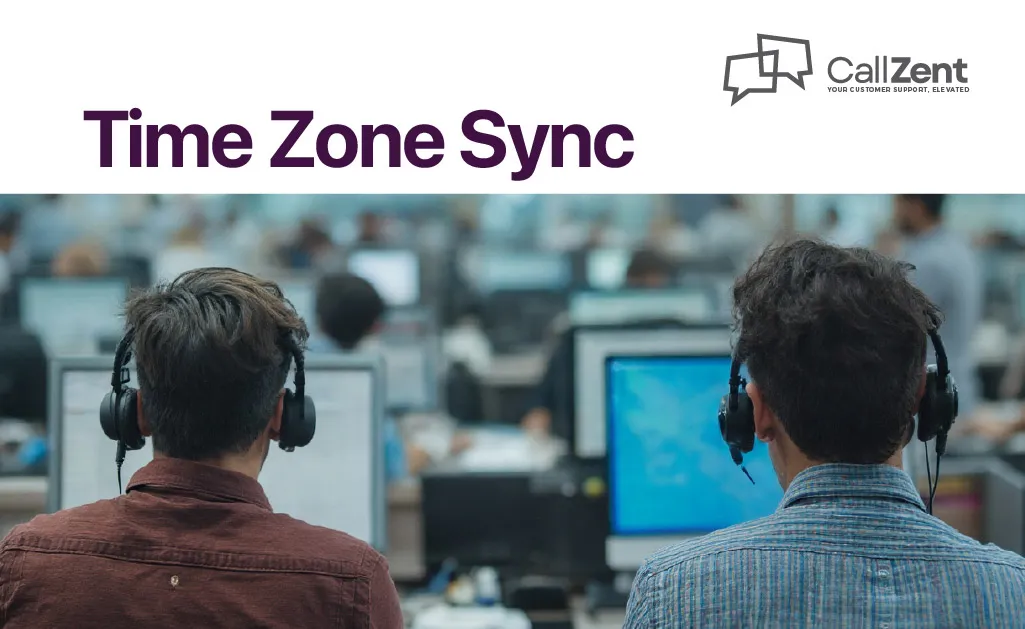
This alignment is more than a convenience; it is a strategic advantage. It allows U.S. businesses to easily implement 24/7 customer support by combining domestic and nearshore teams, ensuring seamless handoffs and continuous service delivery. Imagine your East Coast team needs an urgent report from your outsourced data analysts. With a nearshore partner, you can hop on a video call instantly instead of waiting overnight for a response from an offshore team 12 hours ahead. For a comprehensive look at this advantage, understanding the nuances of call center time zone alignment is crucial.
“Real-time collaboration isn’t a luxury; it’s a necessity for agile businesses. Nearshore time zone alignment transforms your outsourced team from a vendor into a true, integrated extension of your office.”
Actionable Insights:
- Establish Core Overlapping Hours: Designate a specific block of time each day, such as 10 AM to 2 PM EST, for mandatory synchronous work, including daily stand-ups, critical meetings, and collaborative sessions.
- Leverage Real-Time Collaboration Tools: Implement platforms like Slack, Microsoft Teams, and Zoom to facilitate instant communication and virtual face-to-face interactions, bridging any geographical distance.
- Use Project Management Software: Utilize tools like Jira or Asana to provide real-time visibility into project progress, ensuring both domestic and nearshore teams are perfectly aligned on tasks and deadlines.
3. Cultural and Language Alignment for Better Customer Connections
Beyond time zones, one of the most powerful benefits of nearshore outsourcing is the inherent cultural and linguistic similarity. Nearshore locations in Latin America share many cultural values, professional etiquette, and business practices with the U.S. This alignment drastically reduces the friction and miscommunication that can derail projects with more distant offshore teams, leading to smoother integration and more effective collaboration from day one.

This compatibility means your nearshore partners can better understand business requirements, customer nuances, and your company’s core values. For a call center, this is critical. A nearshore agent in Mexico can more easily understand a U.S. customer’s cultural references or tone, leading to a more empathetic and effective conversation. Understanding the nuances of language is paramount, and a closer look at the value of bilingual customer support can showcase how this alignment directly enhances customer satisfaction and loyalty.
Ultimately, cultural synergy fosters a more unified and motivated “one team” environment, boosting productivity and innovation across borders.
Actionable Insights:
- Invest in Cross-Cultural Onboarding: Develop training modules that introduce both your onshore and nearshore teams to each other’s work styles and cultural norms. This proactive step prevents misunderstandings.
- Establish Clear Communication Protocols: Define preferred communication channels (e.g., Slack, email), meeting cadences, and standards for updates to ensure everyone is on the same page.
- Integrate Nearshore Teams into Company Culture: Include your nearshore partners in virtual town halls, team-building activities, and company-wide announcements to foster a sense of belonging and shared purpose.
4. Enhanced Quality Control and Compliance
Maintaining high quality standards and adhering to strict regulatory requirements is non-negotiable for most businesses. One of the key benefits of nearshore outsourcing is the ability to achieve robust quality control and compliance, mirroring the standards of onshore operations. Geographic proximity makes regular site visits, audits, and hands-on process management feasible and cost-effective, which is often impractical with distant offshore partners.
This close alignment extends to regulatory frameworks. Nearshore countries often share similar legal and business standards with the U.S., making it easier to ensure compliance with regulations like HIPAA for healthcare or PCI DSS for payment processing. For instance, a financial services company can leverage a BPO in Tijuana that already has PCI-compliant facilities and processes, ensuring a secure extension of their operations. This proximity fosters a partnership built on transparency and direct oversight.
The ability to directly manage and monitor operations ensures that quality doesn’t slip. This control is crucial for protecting your brand’s reputation and avoiding the significant risks associated with non-compliance. To understand how this works in practice, you can explore the details of security and compliance in Mexico BPOs for a clearer picture of established protocols.
Actionable Insights:
- Establish Clear Quality Metrics Upfront: Define specific, measurable KPIs and Service Level Agreements (SLAs) before the engagement begins. Document every quality standard and process in detail.
- Conduct Regular On-Site Audits: Schedule quarterly or bi-annual visits to your nearshore partner’s facility. Use this time for process reviews, team training, and reinforcing quality expectations in person.
- Integrate Penalty and Reward Clauses: Build clauses into your contract that financially incentivize meeting or exceeding quality targets and penalize failures. This aligns your partner’s goals directly with your own.
5. Business Continuity and Risk Mitigation
Relying on a single domestic location exposes your business to significant risks from localized disruptions like natural disasters, power outages, or even regional health crises. A key benefit of nearshore outsourcing is the immediate introduction of geographic diversification, which serves as a powerful business continuity and risk mitigation strategy. By distributing operations across different regions, you ensure that if one site goes down, another is ready to pick up the slack, minimizing downtime and protecting revenue streams.
This model is far more resilient than concentrating all resources in one place or using a distant offshore location where recovery efforts can be complicated by vast distances and different legal frameworks. Nearshore partners in locations like Mexico or Costa Rica provide a stable, accessible backup that can be activated quickly. For example, if a winter storm shuts down your Chicago headquarters, your Tijuana call center can seamlessly handle all inbound customer calls. Understanding the full scope of these nearshore outsourcing advantages is crucial for building a truly resilient operational plan.
This strategic redundancy isn’t just a defensive measure; it’s a proactive strategy that assures clients and stakeholders of your operational stability, reinforcing your brand’s reliability even during a crisis.
Actionable Insights:
- Create a Comprehensive Disaster Recovery Plan (DRP): Work with your nearshore partner to develop a detailed DRP that outlines specific protocols for shifting operations, including data backup, call routing, and staff mobilization.
- Establish Geographically Diverse Teams: If possible, split critical functions between your domestic office and at least one nearshore location to hedge against regional events.
- Conduct Regular Continuity Drills: Don’t wait for a real disaster. Schedule and execute regular drills to test your DRP, identify weak points, and ensure both your in-house and nearshore teams can transition seamlessly when required.
6. Simplified Travel and On-Site Management
One of the most practical benefits of nearshore outsourcing is the dramatic simplification of travel for on-site management and team integration. Unlike offshore models that require long-haul flights and extensive time away, nearshore locations are just a short trip away. This proximity allows U.S. managers to conduct quarterly or semi-annual site visits easily, fostering stronger relationships and ensuring operational alignment without the significant costs and jet lag associated with distant travel.
This accessibility makes hands-on management not just possible, but highly efficient. For example, a leadership team can fly from California to Tijuana in the morning, spend a full day with their nearshore team conducting training or strategic planning, and return the same evening. This level of engagement is crucial for complex projects and for embedding corporate culture, ensuring the outsourced team functions as a true extension of the domestic workforce.
The ability to maintain direct oversight cost-effectively is a game-changer. This ease of access transforms management from a logistical challenge into a strategic advantage, allowing for more frequent, impactful interactions that drive performance and cohesion.
Actionable Insights:
- Schedule Regular On-Site Visits: Plan for quarterly or semi-annual visits to your nearshore center. Consistency builds rapport and allows for proactive issue resolution rather than reactive problem-solving.
- Budget for High-Value Interactions: Allocate travel budgets for 2-3 day intensive sessions focused on strategic planning, team-building, and advanced training, maximizing the value of each trip.
- Integrate Leadership: Include your nearshore team leaders in key corporate meetings, flying them to your U.S. headquarters when necessary to ensure they are fully integrated into the company’s vision and strategy.
7. Access to a Large, Skilled, and Bilingual Talent Pool
One of the most significant benefits of nearshore outsourcing is gaining access to a vast, highly skilled, and often bilingual workforce. Countries like Mexico have a young, educated population with a strong service-oriented culture. This provides a deep talent pool for roles ranging from customer service and technical support to back-office processing, allowing U.S. companies to find the right skills without competing in an oversaturated domestic market.

This isn’t just about filling seats; it’s about accessing quality talent. For example, nearshore BPOs in Tijuana can recruit agents who are not only fluent in English and Spanish but also have experience in specific industries like e-commerce, healthcare, or financial services. This specialized expertise allows you to build a high-performing team that can handle complex tasks and deliver exceptional customer experiences from day one. Exploring the top qualities of a successful call center highlights how crucial this access to talent is.
This ready supply of talent enables faster scaling and ensures you can build a team that truly meets your business needs, giving you a powerful edge over competitors struggling with domestic labor shortages.
Actionable Insights:
- Define Your Ideal Candidate Profile: Be specific about the skills, experience, and language proficiency you need. A clear profile helps your nearshore partner recruit the perfect candidates.
- Vet for Industry Experience: When choosing a BPO, prioritize those with proven experience in your sector. They will have a better network for sourcing specialized talent.
- Invest in Continuous Training: Work with your partner to implement ongoing training programs to keep your nearshore team’s skills sharp and aligned with your evolving business goals.
8. Scalability and Flexibility of Operations
One of the most powerful benefits of nearshore outsourcing is the ability to rapidly scale operations up or down to meet fluctuating market demands. Businesses can expand their teams or adjust resource allocation with incredible speed, a feat often bogged down by complexity and delays in more distant offshore models. This agility allows companies to seize growth opportunities and navigate downturns without the heavy burden of domestic hiring and infrastructure commitments.
This operational elasticity is critical for businesses in dynamic industries. For example, an e-commerce platform can quickly double its customer service team to handle the holiday rush, while a tech startup can scale its support team to match a new product launch. Nearshore partners provide the talent pool and infrastructure to make these pivots seamless. Maintaining this level of control and quality during expansion is a key reason why nearshore outsourcing in Mexico is a superior strategic choice for growing businesses.
This isn’t just about managing seasonal peaks; it’s about building a resilient and adaptable operational model. The flexibility to scale on demand allows for smarter resource management, ensuring you only pay for the capacity you need, when you need it.
Actionable Insights:
- Build Modular Team Structures: Design your nearshore teams in pods or modules that can be easily replicated or combined, allowing for predictable and controlled expansion.
- Establish Scalability Clauses in Contracts: Work with your nearshore partner to include terms that clearly define procedures, timelines, and costs for scaling your team up or down.
- Create Clear Resource Request Processes: Develop and document a standardized process for requesting additional staff or resources to ensure speed and minimize miscommunication during growth phases.
9. Enhanced Customer Experience and Market Responsiveness
Proximity is not just about geography; it’s about speed and agility. One of the most strategic benefits of nearshore outsourcing is the ability to react to market changes and customer needs with unprecedented speed. By aligning with teams in the same time zone and with shared cultural context, businesses can accelerate support cycles, roll out new processes faster, and provide more immediate, empathetic customer service, creating a powerful competitive advantage.
This enhanced responsiveness directly translates to a superior customer experience. Nearshore teams can address issues, gather feedback, and implement solutions far more effectively than distant offshore counterparts. This model empowers companies to adapt instantly to customer feedback or seasonal demand. For a deeper look at how this agility impacts service quality, understanding the key differences between nearshore and offshore call centers is crucial.
Ultimately, this isn’t just about moving faster; it’s about being more connected to your customer base and market, allowing for proactive adjustments rather than reactive fixes.
Actionable Insights:
- Adopt Agile Methodologies: Implement agile frameworks with your nearshore team to facilitate rapid iteration, continuous feedback, and flexible planning in response to changing priorities.
- Establish Direct Feedback Loops: Create direct communication channels between your nearshore team and customer-facing departments. This ensures that valuable customer insights are quickly integrated into service improvement initiatives.
- Empower Your Nearshore Team: Give your nearshore team the autonomy to resolve customer issues on the first call. This empowerment, combined with their cultural understanding, leads to higher satisfaction rates and demonstrates your company’s commitment to its customers.
Ready to Build Your Strategic Advantage with Nearshore Outsourcing?
As we’ve explored, the decision to engage a nearshore partner is a powerful strategic move, not merely a tactical cost-cutting measure. The benefits we’ve detailed paint a clear picture: nearshore outsourcing is about building a more resilient, efficient, and customer-centric organization. It’s a holistic solution that addresses many of the core challenges U.S. businesses face today, from talent acquisition to operational scalability.
The era of viewing outsourcing as a simple way to reduce labor costs is over. Today, it’s about gaining a competitive edge. By tapping into proximate talent pools, you’re not just hiring staff; you are integrating a team that operates on your clock, understands your culture, and is legally and logistically aligned with your business. This model transforms the traditional client-vendor relationship into a true partnership.
Key Takeaways: The Benefits of a Nearshore Partnership
Let’s recap the strategic advantages that underscore the modern value proposition of nearshoring:
- Integrated Operations: Time zone and cultural alignment mean your nearshore team functions as a natural extension of your home office. This eliminates the communication lags and cultural misunderstandings that can plague offshore models, fostering real-time collaboration and faster problem-solving.
- Quality and Compliance: Proximity makes it easier to implement and monitor rigorous quality control standards. With aligned legal frameworks and a deeper understanding of U.S. compliance requirements, nearshore partners offer enhanced security and IP protection.
- Strategic Agility: The ability to scale your operations up or down quickly without the overhead of direct hiring provides immense flexibility. This agility, combined with access to a skilled talent pool, allows your business to pivot swiftly and seize new market opportunities.
Ultimately, the most significant of the benefits of nearshore outsourcing is its ability to directly enhance your customer experience. When your support and operational teams are more responsive, culturally attuned, and equipped with the right tools, your customers feel the difference. This improved service level builds loyalty, drives retention, and solidifies your brand’s reputation.
Adopting a nearshore model is more than an operational shift; it’s a commitment to building a smarter, more dynamic business. It’s about leveraging global talent to deliver local excellence. The evidence is compelling: for U.S. companies looking to grow, innovate, and thrive in a competitive landscape, the path forward points directly to a nearshore partnership.
Frequently Asked Questions About Nearshore Outsourcing
1. What is nearshore outsourcing?
Nearshore outsourcing is the practice of partnering with service providers in nearby countries—typically those within similar time zones—to handle customer service, back-office operations, technical support, and more. It provides the collaboration benefits of onshore work with the cost advantages of offshore outsourcing.
2. How much can businesses save with nearshore outsourcing?
Most U.S. companies save between 40–60% on labor and operational costs by moving functions to nearshore locations like Mexico. Savings come from lower wages, reduced overhead, and streamlined HR, training, and infrastructure expenses.
3. Why is nearshore outsourcing better than offshore?
Nearshore outsourcing offers stronger communication, real-time collaboration, cultural alignment, and access to bilingual talent — advantages that traditional offshore options (such as the Philippines or India) often lack due to significant time-zone and cultural gaps.
4. What types of services can be outsourced nearshore?
Common nearshore services include customer service, technical support, sales, back-office processing, data entry, accounting support, insurance operations, IT support, and multilingual call center services.
5. Why is Mexico one of the best nearshore locations?
Mexico offers a highly educated, bilingual workforce, cultural alignment with U.S. markets, strong compliance standards, stable infrastructure, and short travel distances—making it a top choice for U.S. companies seeking efficiency and quality.
6. Is nearshore outsourcing secure?
Yes. Nearshore BPOs—especially those in Mexico—operate under strict data protection standards and comply with regulations like HIPAA, PCI DSS, SOC 2, and GDPR. Proximity also allows for frequent audits and hands-on oversight.
Ready to Build Your Strategic Nearshore Advantage?
Unlock the power of cost savings, bilingual expertise, and real-time collaboration by partnering with CallZent. Our Tijuana-based nearshore teams operate seamlessly as an extension of your brand — delivering high performance, cultural alignment, and exceptional customer experiences.
Ready to harness these benefits for your business? At CallZent, we specialize in creating seamless, high-performance nearshore call center and BPO solutions from our strategic location in Tijuana. Discover how our culturally aligned teams can become your competitive advantage by visiting CallZent or contacting us for a personalized consultation today.