Skip to content
BPO Security & Compliance
Top 10 BPO Customer Privacy Best Practices for 2025
Learn the top BPO customer privacy best practices for 2025, from encryption and access controls to training and compliance—protect data and build trust.
TL;DR — Quick Takeaways
- BPO customer privacy in 2025 requires layered security, not single-point solutions.
- Employee training and access controls reduce the majority of preventable data breaches.
- Encryption, audits, and incident response plans are now baseline expectations.
- Choosing a nearshore BPO like CallZent adds control, visibility, and regulatory alignment.
Meta Title: Top 10 BPO Customer Privacy Best Practices for 2025 | CallZent
Meta Description: Learn the 10 best practices for protecting customer privacy in BPO, from data encryption to employee training. Secure your data and build trust with CallZent.
Is your BPO partner truly protecting your most valuable asset—your customer data? When you outsource customer interactions, you’re not just handing over tasks; you’re entrusting a partner with sensitive information like names, financial details, and health records. In a world of tightening regulations and constant cyber threats, ensuring that data is secure is non-negotiable.
This guide goes beyond generic advice to deliver actionable best practices for protecting customer privacy in BPO. We’ll cover ten critical strategies, from data minimization and encryption to agent training and incident response, all designed to safeguard data, ensure compliance with laws like GDPR and HIPAA, and build the customer trust that strengthens your brand.
Vetting an external provider is crucial to ensuring they are a privacy asset, not a liability. For a deeper dive into the selection process, this guide on choosing the right IT outsourcing company provides a valuable framework. This listicle will equip you with the specific privacy-focused questions to ask, helping you validate that a potential partner’s security posture aligns with your own high standards.
1. Data Minimization and Purpose Limitation
One of the most effective best practices for protecting customer privacy in BPO is to simply collect less data. Data minimization means collecting only the personal information absolutely necessary to fulfill a specific business purpose. Paired with purpose limitation (using data only for its stated purpose), this approach dramatically reduces your risk and limits the impact of a potential breach.
For BPOs handling sensitive information in healthcare, finance, and e-commerce, this isn’t just a good idea; it’s a core requirement under regulations like GDPR and CCPA. The less data you hold, the less you have to protect, and the less you stand to lose. It’s a simple, powerful way to build trust with your clients and their customers.

Real-World Example
Imagine a BPO agent helping a patient schedule a doctor’s appointment. The agent only needs the patient’s ID and the reason for the visit—not their entire medical history. Similarly, an e-commerce support agent resolving a shipping issue needs an order number and email, not the customer’s full purchase history. This targeted data collection is fundamental for any BPO handling protected health information (PHI). For a closer look at these specific requirements, discover how we maintain a HIPAA compliant call center.
Actionable Implementation Steps
To effectively implement data minimization, your organization should:
- Conduct Data Audits: Regularly review every piece of data you collect and ask, “Is this absolutely essential for the service we provide?”
- Create Data Flow Maps: Visualize which information each department or process truly requires. This quickly reveals where you’re collecting unnecessary data.
- Automate Data Deletion: Establish and automate data retention policies. For example, customer interaction data not needed for compliance could be automatically purged after 90 days.
- Justify Every Data Point: Maintain a clear record explaining the business necessity for every data field you collect. This is key for demonstrating GDPR compliance.
2. Employee Privacy Training and Awareness Programs
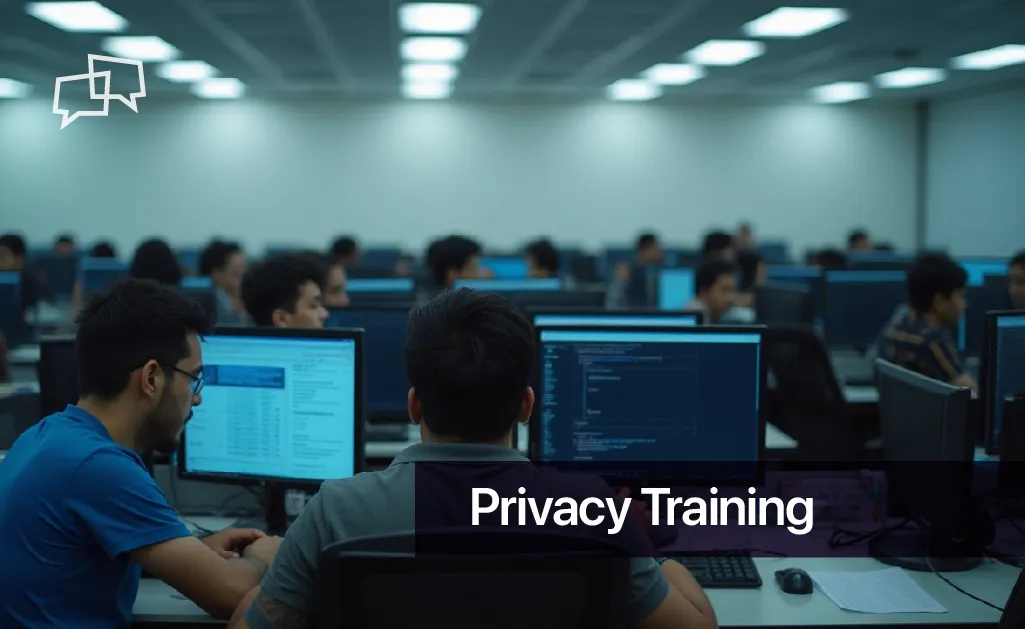
Technology is important, but your people are your first line of defense. That’s why one of the most essential best practices for protecting customer privacy in BPO is implementing continuous employee training. These programs ensure every team member, from frontline agents to IT staff, understands their role in safeguarding sensitive customer data. This creates a strong, privacy-first culture that actively prevents mistakes.
For BPOs, especially nearshore operations like ours in Tijuana with bilingual teams, effective training is the foundation of compliance with standards like PCI DSS, GDPR, and HIPAA. Moving beyond a one-time onboarding session to a continuous awareness program transforms your workforce from a potential vulnerability into your strongest defense against data breaches.
Real-World Example
Consider a BPO for a financial services company where agents handle credit card information. Training shouldn’t just be “don’t write down card numbers.” It should include simulations of phishing scams and clear protocols for handling payment data in a PCI DSS-compliant system. At CallZent, our nearshore BPO implements rigorous, bilingual HIPAA training. This ensures every agent, whether they speak English or Spanish as their first language, fully understands the legal and ethical duties of handling Protected Health Information (PHI).
Actionable Implementation Steps
To build a robust training program, your BPO should:
- Develop Role-Based Training: Create specific training for different roles. An agent’s training on data handling will be different from an IT administrator’s training on network security.
- Use Engaging Formats: Ditch the boring slideshows. Use interactive e-learning, real-world case studies of data breaches, and video to keep employees engaged.
- Conduct Phishing Simulations: Regularly test your team with fake phishing emails. Use the results to provide extra training to those who need it.
- Provide Multilingual and Cultural Context: For nearshore BPOs, deliver all training in the agents’ native language, like Spanish. Use culturally relevant examples to make sure the concepts stick.
3. Encryption of Data in Transit and at Rest
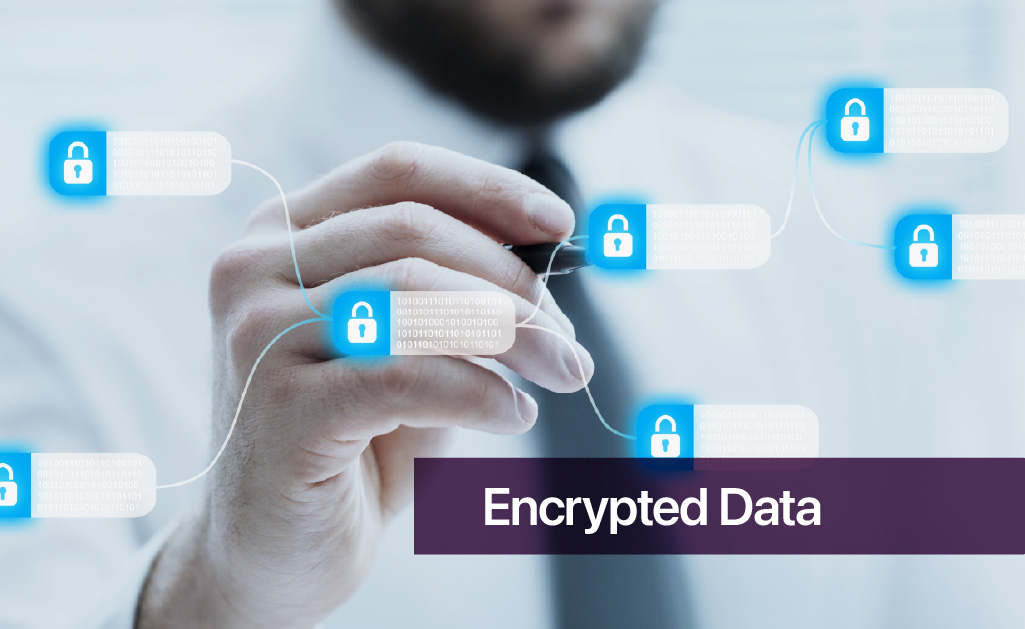
Encryption is the process of converting readable data into a scrambled, unreadable format. This is a fundamental security measure that protects information both when it is being sent between systems (in transit) and when it is stored on servers or in backups (at rest). For any BPO handling a constant flow of sensitive customer information, encryption is non-negotiable.
Modern standards like AES-256 for data at rest and TLS 1.2+ for data in transit ensure that even if a system is compromised, the information remains useless to unauthorized parties. This principle is fundamental to protecting customer privacy in BPO operations, especially those governed by strict regulations like PCI DSS for financial data and HIPAA for health information.
Real-World Example
A PCI DSS-compliant BPO must encrypt credit card numbers at every step—from the moment an agent enters them into a system to their long-term storage in a database. A healthcare BPO must use AES-256 encryption for all stored patient records and TLS for any transmission of Protected Health Information (PHI). For BPOs using cloud platforms like AWS, this involves leveraging tools like Key Management Service (KMS) to manage encryption keys securely, keeping them separate from the data they protect.
Actionable Implementation Steps
To robustly implement encryption across your BPO:
- Enforce Strong Standards: Mandate the use of AES-256 for all data at rest and TLS 1.2 or higher for all data in transit.
- Secure Key Management: Store encryption keys in a separate, secure environment like a Hardware Security Module (HSM) or a dedicated cloud key management service. Never store keys alongside the data they encrypt.
- Automate Key Rotation: Set up automated policies to rotate encryption keys regularly (at least once per year) to limit the impact of a potential key compromise.
- Verify Vendor Security: Scrutinize vendor contracts and SLAs to ensure their encryption practices meet your standards. For more information on security protocols, explore how to enhance call center security.
4. Access Controls and Principle of Least Privilege
Granting every employee wide-ranging access to customer data is a recipe for disaster. The principle of least privilege (PoLP) is a simple but powerful security concept: an individual should only have access to the specific data and systems required to do their job, and nothing more. This is one of the most critical best practices for protecting customer privacy in BPO, as it mitigates both internal and external threats.
In a BPO environment, enforcing PoLP through role-based access controls (RBAC) is essential. This means creating permission sets for specific job roles (e.g., Tier 1 Support Agent, Team Lead, QA Analyst) rather than assigning permissions one by one. This simplifies access management, reduces human error, and ensures that if an agent’s account is compromised, the damage is contained.
Real-World Example
An e-commerce BPO can use RBAC to let agents see order details but hide the full credit card number. In a financial services BPO, an agent handling loan inquiries would have access to application data but be blocked from viewing a customer’s investment portfolio. This granular control is essential for compliance. It ensures an agent working for a healthcare client can’t accidentally access records for a financial client, even if they use the same technology platform.
Actionable Implementation Steps
To effectively implement access controls, your BPO should:
- Map Job Roles to Data Needs: Before assigning permissions, document every role and map out the minimum data sets each one requires.
- Implement Multi-Factor Authentication (MFA): Enforce MFA for all systems. This adds a critical layer of security, ensuring that stolen passwords are not enough to gain access.
- Automate Onboarding and Offboarding: Use identity management tools to automatically assign correct permissions when an agent joins and, crucially, revoke all access immediately when they leave.
- Conduct Quarterly Access Reviews: Have managers regularly audit their team’s permissions to ensure access levels are still appropriate and remove any unneeded privileges.
5. Secure Vendor Management and Third-Party Agreements
A BPO’s security is only as strong as its weakest link, which often includes its third-party vendors. BPOs rely on partners for everything from cloud hosting to software and telecom services. Each relationship introduces potential risk. Secure vendor management means rigorously vetting, contracting, and monitoring these third parties to ensure they meet your strict privacy and security standards.
This proactive oversight is non-negotiable in regulated industries like healthcare and finance. It involves clear contractual obligations through Data Processing Agreements (DPAs) and Business Associate Agreements (BAAs) to ensure the entire supply chain adheres to regulations like GDPR and HIPAA. Neglecting vendor security is a direct threat to your compliance and your customers’ trust.
Real-World Example
A healthcare BPO must have a HIPAA-compliant Business Associate Agreement with every vendor that handles protected health information (PHI), from its cloud provider to its CRM software. Similarly, a PCI DSS-compliant call center must contractually require its payment gateway provider to maintain its own certification. At CallZent, our cloud partners like AWS and Azure maintain critical certifications, including SOC 2 Type II, ensuring their environments meet our high security standards.
Actionable Implementation Steps
To build a robust vendor management program, your BPO should:
- Standardize Agreements: Use standardized Data Processing Agreement (DPA) templates that clearly define security responsibilities, data handling protocols, and breach notification requirements.
- Require Security Certifications: Mandate that key vendors maintain relevant certifications like ISO 27001, SOC 2, or PCI DSS as proof of their security posture.
- Conduct Pre-Engagement Vetting: Before signing a contract, perform thorough security assessments of potential vendors. For a complete guide on this process, discover how to find and vet the best call center outsourcing companies.
- Maintain a Vendor Risk Register: Keep a central inventory of all third-party vendors, tracking their security posture, compliance status, and the data they access.
- Enforce Strict Breach Notification Timelines: Include contractual clauses requiring vendors to notify you of a security incident within a short timeframe, such as 24-48 hours.
6. Incident Response Planning and Breach Notification
No security system is perfect. A data breach can still happen, and how you respond determines the extent of the damage. A robust incident response plan is a non-negotiable best practice for protecting customer privacy in BPO, allowing your team to quickly detect, contain, and notify affected parties. A systematic approach minimizes disruption, reduces financial loss, and preserves client trust.
For BPOs in regulated sectors like healthcare or finance, a well-documented and tested plan is a legal requirement. Regulations like GDPR and HIPAA impose strict timelines for reporting incidents. A prepared response isn’t just about damage control; it’s about demonstrating due diligence and maintaining compliance in a crisis.
Real-World Example
A financial services BPO with a ready-made incident response plan can meet the 72-hour GDPR reporting window. They’ve already vetted a forensic investigation firm and have notification templates ready to go. In contrast, an organization scrambling to find legal counsel after a breach will likely face significant fines and reputational harm. Similarly, a healthcare BPO partner must have a plan that ensures a minor incident involving a few dozen records doesn’t escalate into a major breach affecting over 500 individuals, which would trigger public notification requirements under HIPAA.
Actionable Implementation Steps
To build a resilient incident response capability, your BPO should:
- Create a Written Plan: Develop a formal, detailed plan that outlines procedures for different types of security events (e.g., malware, unauthorized access).
- Define Roles and Responsibilities: Clearly assign roles like an Incident Commander, technical lead, and communications lead. Ensure everyone knows their duties.
- Establish Escalation Procedures: Implement 24/7 monitoring and clear escalation paths so potential incidents are reported to the right people immediately.
- Conduct Tabletop Exercises: Regularly test your plan with simulated breach scenarios. These drills reveal gaps and train your team to act decisively under pressure.
- Prepare Notification Templates: Pre-draft communications for clients, regulators, and affected individuals. This ensures your messaging is clear, accurate, and compliant when time is critical.
7. Regular Security Audits, Assessments, and Penetration Testing
A static defense is a vulnerable one. Continuously assessing your security is a cornerstone of protecting customer privacy in BPO. This means proactively identifying weaknesses before malicious actors can exploit them. For BPOs, this involves regular audits, vulnerability assessments, and penetration tests to uncover flaws in systems, processes, and even agent practices.
This proactive approach provides tangible proof of your security posture to clients and regulators, building a foundation of trust. By systematically searching for flaws, you can fix them before they escalate into costly breaches. This ensures your defenses evolve along with the ever-changing threat landscape.
Real-World Example
A BPO processing payments for e-commerce clients must undergo an annual PCI DSS audit. However, conducting quarterly vulnerability scans can detect a newly discovered software flaw before it’s widely exploited. Similarly, a healthcare BPO might perform a penetration test that simulates a phishing attack on its agents. Discovering that 15% of agents clicked a malicious link reveals a critical training gap that a standard audit might miss. For BPOs with cross-border operations, these assessments are even more vital, as detailed in our guide on security and compliance in nearshore Mexico BPOs.
Actionable Implementation Steps
To build a robust security assessment program, your BPO should:
- Establish a Testing Cadence: At a minimum, perform annual independent security audits (like SOC 2), quarterly vulnerability scans, and annual penetration testing that includes social engineering.
- Engage Third-Party Experts: Partner with reputable, independent auditors who specialize in the BPO industry.
- Create a Remediation Plan: For every finding, document a clear plan with assigned owners and strict deadlines to fix the issue.
- Track and Report Findings: Maintain a central log of all findings and remediation progress. Share summary reports with management to ensure accountability.
- Use Results to Improve: Feed the insights from audits and tests back into your security policies, procedures, and agent training programs.
8. Data Retention Policies and Secure Disposal Procedures
Keeping customer data forever isn’t thorough—it’s a liability. One of the most critical best practices for protecting customer privacy in BPO is establishing strict data retention policies and secure disposal procedures. This means defining exactly how long different types of data are kept and ensuring they are permanently destroyed once that period ends. This limits the “blast radius” of a potential breach by minimizing the amount of legacy data at risk.
For BPOs in regulated sectors like healthcare or finance, this is a requirement of laws like GDPR, HIPAA, and PCI DSS. A clear retention schedule balances legal obligations with the principle of holding customer data for no longer than necessary. This reduces storage costs, simplifies compliance, and builds client confidence.
Real-World Example
A financial services BPO handling loan applications must keep that data for a specific period, often around seven years. A data retention policy would mandate its secure digital shredding on the first day after this period expires. Similarly, a HIPAA-compliant BPO must retain patient records for at least six years but must have a documented process for their secure destruction afterward.
Actionable Implementation Steps
To implement robust retention and disposal policies, your BPO should:
- Create a Detailed Retention Schedule: Document specific retention periods for every data category you handle (e.g., patient records: 6 years; financial transaction data: 7 years).
- Document Business Justification: For each retention period, clearly state the legal, regulatory, or business reason. This is crucial for GDPR compliance.
- Automate Deletion Processes: Use automated scripts to flag and securely purge data once it reaches the end of its retention lifecycle. Manual processes are prone to error.
- Use Certified Disposal Methods: Use destruction methods that are compliant with standards like NIST 800-88. For third-party disposal vendors, always require a certificate of destruction.
- Establish Legal Hold Procedures: Your policy must include a process to suspend routine data destruction when data is subject to litigation or an investigation.
9. Privacy by Design and Privacy Impact Assessments
Proactive privacy protection is always better than reactive damage control. This is the core principle behind Privacy by Design (PbD), an approach that embeds privacy considerations into the foundation of your systems and processes. Instead of treating privacy as an add-on, it becomes a core component from day one.
This is complemented by Privacy Impact Assessments (PIAs), a process used to identify and mitigate privacy risks before a new project is launched. For a BPO introducing a new CRM or expanding into a new region, a PIA is an indispensable step. It forces you to ask critical questions about data handling upfront, preventing costly and reputation-damaging issues down the line.
Real-World Example
Imagine a BPO is developing a new mobile app for customers to check their account balances. Applying Privacy by Design would mean engineering the app from the start with features like two-factor authentication and minimal data collection. A corresponding PIA would analyze the data flow, identify potential vulnerabilities (like data storage on the device), and recommend solutions before a single line of code is written. This ensures privacy is a core feature, not an afterthought.
Actionable Implementation Steps
To integrate PbD and PIAs into your operations:
- Establish PbD as a Core Principle: Embed the principles of Privacy by Design into your company’s development and project management culture.
- Conduct PIAs for All New Initiatives: Mandate a PIA for any new project involving personal data.
- Involve Privacy Experts Early: Include privacy officers or legal counsel in the initial design phases of projects, not just at the final review.
- Use Privacy-Enhancing Technologies (PETs): Implement tools for data masking and anonymization directly into your systems to reduce risk.
- Document Decommissioning Plans: Plan for a system’s eventual retirement. Review essential security data destruction methods and compliance standards to ensure data cannot be recovered.
10. Customer Data Rights and Transparency Communications
Modern privacy regulations give consumers specific rights over their personal data. A core best practice for protecting customer privacy in BPO is to establish processes to honor these rights and communicate transparently about how data is handled. Regulations like GDPR and CCPA mandate that customers can access, correct, and delete their information. For BPOs on the front lines, this isn’t just a legal checkbox; it’s a critical part of building customer trust.
Failing to manage these requests (known as Data Subject Access Requests or DSARs) can lead to significant penalties and erode consumer confidence. By creating clear, accessible systems for managing these rights, a BPO demonstrates respect for customer privacy and enhances the reputation of the clients it serves.
Real-World Example
A customer may use their “right to be forgotten” under GDPR after closing their account with a financial services company. The BPO must have a procedure to verify the request, find all of the customer’s data across different systems (call recordings, CRM entries), and ensure its complete deletion within the 30-day window. Similarly, a healthcare BPO must be prepared to provide a patient with a copy of their communication records to honor HIPAA’s patient access rights, doing so securely and on time.
Actionable Implementation Steps
To manage data rights and maintain transparency, your BPO should:
- Create Plain-Language Privacy Notices: Develop clear, concise, and easy-to-understand privacy policies. For nearshore operations, provide notices in both English and Spanish.
- Establish a DSAR Protocol: Document a step-by-step process for receiving, verifying, and responding to data subject requests.
- Adhere to Response Timelines: Implement SLAs that align with legal requirements, such as 30 days for GDPR and 45 days for CCPA.
- Train Agents on Request Recognition: Teach customer service agents to identify and properly escalate data rights requests so they aren’t mishandled as standard support tickets.
- Implement a Tracking System: Use a ticketing system to log and monitor every DSAR from receipt to resolution, creating an essential audit trail. How you manage these interactions is a key part of brand perception; discover how call centers improve brand reputation and loyalty through such professional practices.
Comparing 10 BPO Customer Privacy Best Practices
| Item | 🔄 Implementation Complexity | ⚡ Resource Requirements | 📊 Expected Outcomes | 💡 Ideal Use Cases | ⭐ Key Advantages |
|---|---|---|---|---|---|
| Data Minimization and Purpose Limitation | 🔄 Medium — process redesign, audits, retention rules | ⚡ Low–Med: policy updates, retention automation | 📊 Lower breach surface; improved compliance & trust | 💡 Routine customer interactions; healthcare triage, order support | ⭐ Minimizes data footprint; reduces breach impact & audit scope |
| Employee Privacy Training and Awareness Programs | 🔄 Med–High — continuous, role‑specific programs | ⚡ Med–High: training content, translations, assessment tools | 📊 Fewer human‑error incidents; stronger privacy culture | 💡 Nearshore bilingual teams; regulated sectors with high turnover | ⭐ Dramatically reduces human‑error breaches; supports compliance |
| Encryption of Data in Transit and at Rest | 🔄 High — cryptography integration and key management | ⚡ High: KMS/HSM, compute overhead, key rotation | 📊 Strong protection of stored/transmitted data; compliance alignment | 💡 Call recordings, databases, cross‑border transfers, cloud storage | ⭐ Makes stolen data unusable; reduces breach impact |
| Access Controls and Principle of Least Privilege | 🔄 Med–High — RBAC design and provisioning automation | ⚡ Medium: IAM, MFA, PAM tools and admin overhead | 📊 Reduced insider threats; improved auditability and accountability | 💡 BPOs with role separation and specialized agent tasks | ⭐ Limits access scope; simplifies offboarding and audits |
| Secure Vendor Management and Third‑Party Agreements | 🔄 High — contract negotiation, audits, continuous oversight | ⚡ Medium–High: legal, vendor assessments, audit resources | 📊 Extends protection across supply chain; contractual accountability | 💡 Heavy third‑party/cloud reliance; subcontractor ecosystems | ⭐ Ensures vendor compliance; reduces vendor‑caused liability |
| Incident Response Planning and Breach Notification | 🔄 Medium — plan, roles, drills and templates | ⚡ Medium: monitoring, forensics retainer, comms resources | 📊 Faster containment and regulatory readiness; documented response | 💡 Healthcare/finance BPOs subject to strict notification timelines | ⭐ Minimizes damage; preserves trust and meets notification obligations |
| Regular Security Audits, Assessments, and Penetration Testing | 🔄 Med–High — scheduled external and internal testing | ⚡ High: auditors, pen testers, remediation budgets | 📊 Identifies vulnerabilities proactively; strengthens posture & evidence | 💡 Organizations seeking SOC2/ISO certification or high assurance | ⭐ Validates controls; drives continuous security improvement |
| Data Retention Policies and Secure Disposal Procedures | 🔄 Medium — retention mapping, legal holds, automation | ⚡ Medium: deletion automation, disposal vendors, audit logs | 📊 Reduced stored data risk and costs; compliance with erasure rules | 💡 Data lifecycle management for healthcare/finance/e‑commerce | ⭐ Minimizes retained data; simplifies audits and lowers breach scope |
| Privacy by Design and Privacy Impact Assessments | 🔄 High — embed privacy into architecture and SDLC | ⚡ Medium–High: privacy architects, PIAs, integrated testing | 📊 Early risk identification; fewer costly redesigns; built‑in compliance | 💡 New projects, cloud migrations, high‑risk processing (biometrics) | ⭐ Proactive privacy integration; reduces future compliance risk |
| Customer Data Rights and Transparency Communications | 🔄 Medium — processes, tracking, notice updates | ⚡ Medium: DSR tooling, multilingual notices, staff training | 📊 Improved transparency and rights fulfillment; regulatory compliance | 💡 Consumer‑facing BPOs, multi‑jurisdiction operations (GDPR/CCPA) | ⭐ Enables timely data‑subject responses; builds customer trust |
From Best Practices to Business as Usual
Protecting customer data can seem like a monumental task, but the path to a truly privacy-centric operation is paved with clear, actionable strategies. Mastering the best practices for protecting customer privacy in BPO is no longer optional; it’s the price of entry for earning and maintaining customer trust.
The ten pillars we’ve discussed—from data minimization and encryption to incident response planning—are not independent silos. They are interconnected parts of a comprehensive privacy framework. Strong access controls are reinforced by continuous employee training, and secure vendor agreements are validated through regular audits. This integrated approach transforms privacy from a checklist into a core operational philosophy.
Synthesizing the Strategy: Key Takeaways
To embed these principles, it’s crucial to move beyond theory and into consistent action. Here are the most critical takeaways for your BPO or your partner selection process:
- Privacy is Proactive, Not Reactive: The most secure BPOs build privacy into every new process and system from day one. They don’t wait for a data breach to happen. This proactive stance is the difference between managing risk and reacting to disaster.
- The Human Element is Your Strongest Link (or Weakest Point): You can have the best technology, but a single untrained agent can expose sensitive data. That’s why continuous, scenario-based training on data handling and industry regulations like HIPAA or PCI-DSS is non-negotiable. A culture of privacy awareness is your most effective defense.
- Data Has a Lifecycle—Manage It: Customer data should not live in your systems forever. Enforcing clear data retention and secure disposal policies minimizes your attack surface and shows respect for customer data rights, a key requirement under laws like GDPR.
Turning Knowledge into Action: Your Next Steps
Viewing these best practices as a roadmap, your organization can begin its transformation. The goal is to make privacy so ingrained in your daily operations that it becomes second nature.
Start by conducting a privacy assessment to identify your current gaps. Where does your data live? Who has access to it? What are the risks? Use this to prioritize your efforts. Perhaps you need to overhaul your employee training or renegotiate vendor contracts to include stricter data protection clauses.
“In the BPO industry, trust is the ultimate currency. Robust data privacy is not a cost center; it is the single most important investment you can make in building lasting customer and client relationships.”
Ultimately, embracing these principles is about more than avoiding fines. It is a powerful differentiator that signals stability, professionalism, and respect for the individuals whose data you protect. Partnering with a BPO that embodies these values is critical. By embedding these best practices for protecting customer privacy in BPO into every call and transaction, an outsourcer proves it is not just a vendor, but a true guardian of your brand’s reputation and your customers’ trust.
🚀 Protect Customer Data Without Slowing Growth
CallZent helps brands scale customer support with enterprise-grade privacy, nearshore control, and compliance-first operations.
Ready to partner with a nearshore BPO that builds customer trust through an unwavering commitment to data privacy? Discover how CallZent integrates these best practices into every solution, ensuring your customers’ data is always secure. Visit CallZent to learn more about our secure, compliant, and customized call center services.