Skip to content
Call Center Management • Coaching & Performance
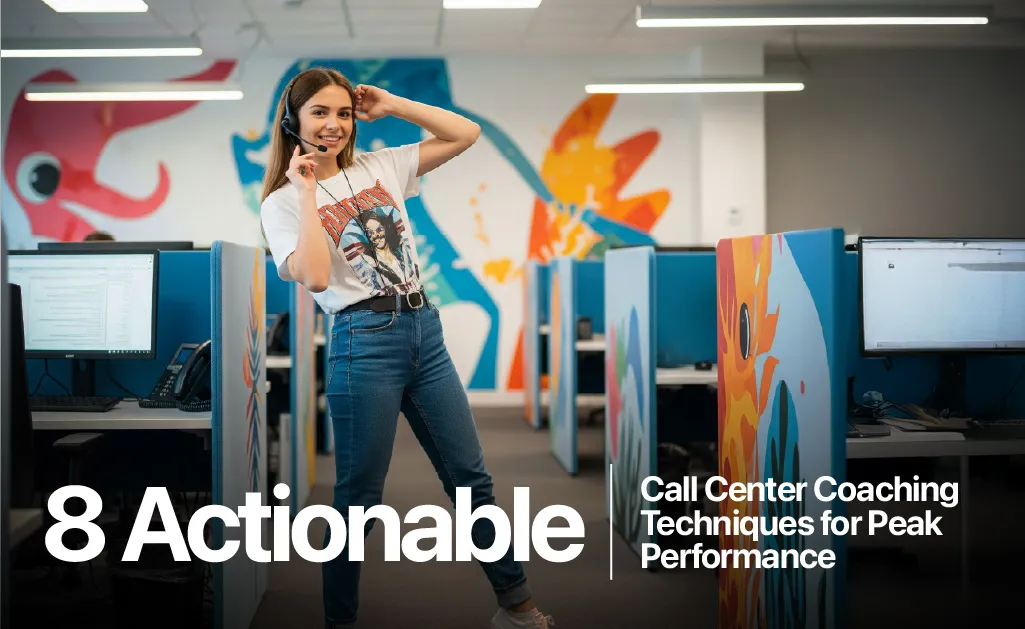
8 Proven Call Center Coaching Techniques to Boost Agent Performance & CSAT
Is your call center’s performance plateauing despite your best efforts? The secret to unlocking the next level of customer satisfaction and agent efficiency doesn’t lie in more software or stricter scripts—it lies in how you coach.
TL;DR — Quick Takeaways
- Coaching—not tools or scripts—is the biggest lever for agent performance.
- This guide covers 8 proven call center coaching techniques used by high-performing BPOs.
- Includes real-world examples for healthcare, finance, and e-commerce.
- Special focus on bilingual and nearshore teams to improve CSAT, FCR, and retention.
Is your call center’s performance plateauing despite your best efforts? The secret to unlocking the next level of customer satisfaction and agent efficiency doesn’t lie in more software or stricter scripts—it lies in how you coach. Many managers fall into the trap of treating coaching as just another box to check, using generic feedback for every agent. But what if you could implement specific, proven call center coaching techniques that create real, measurable improvements?
This article breaks down eight powerful coaching methodologies designed for the modern BPO landscape. Implementing these strategies is a cornerstone of effective call center management, as they directly influence agent development and performance. We’ll provide actionable steps and real-world examples to help you turn every agent into a high-performing brand ambassador. You will learn to move beyond simple call monitoring and start building a culture of continuous improvement that drives tangible business results for your clients.
TL;DR: This guide covers 8 essential call center coaching techniques, from one-on-one call reviews and data-driven analysis to peer coaching and motivational strategies. You’ll learn how to implement each technique with practical examples for healthcare, finance, and e-commerce, plus specific tips for bilingual, nearshore operations to enhance performance, reduce turnover, and improve KPIs like CSAT and FCR.
“Effective coaching is the single most important factor in driving agent performance and customer loyalty. It’s not about correcting mistakes; it’s about building confidence and competence.”
1. One-on-One Call Coaching & Call Recording Review
One-on-one call coaching is a cornerstone of effective agent development, offering a personalized and direct feedback loop. This method involves a supervisor and an agent reviewing a recorded customer interaction together. Instead of just reviewing a scorecard, the coach and agent dissect specific moments in the call, discussing what went well, what could be improved, and why certain choices were made. This collaborative approach fosters trust and empowers agents to take ownership of their performance.

The primary goal is to address individual strengths and weaknesses with precision, making it one of the most impactful call center coaching techniques available. For instance, an e-commerce agent might excel at building rapport but struggle with upselling. By listening to a call together, a coach can pinpoint the exact moment a sales opportunity was missed and role-play a better approach.
How to Implement This Call Center Coaching Technique
Successful one-on-one coaching hinges on structure and consistency. Start by scheduling these sessions within 24-48 hours of the call to ensure the interaction is still fresh in the agent’s mind. A well-defined call monitoring program is the foundation for selecting the right calls to review. For more details, you can explore best practices on how to implement call monitoring to support your coaching framework.
Use a simple, effective feedback model to guide the conversation:
- The “3-2-1” Method: Discuss 3 things the agent did well, 2 areas for improvement, and 1 specific action item to focus on before the next session.
- Start with Positives: Always begin the session by highlighting the agent’s strengths to create a constructive and receptive atmosphere.
- Set Measurable Goals: Conclude with a clear, specific, and measurable goal, such as “In the next week, aim to offer the premium service package on at least 50% of eligible calls.”
Industry-Specific Example: Healthcare & Bilingual Teams
In a healthcare call center, this technique is invaluable for reinforcing HIPAA compliance and patient empathy. A coach can pause a recording and ask, “How could we have rephrased that question to sound more empathetic while still getting the necessary information?” For our nearshore teams in Tijuana, this method is perfect for discussing the nuances of bilingual communication, ensuring that tone and cultural context are correctly conveyed in both English and Spanish to build patient trust.
2. Group Coaching & Training Sessions
While one-on-one coaching addresses individual needs, group coaching sessions are a powerful tool for delivering consistent, scalable training. This technique brings multiple agents together to learn about common challenges, new procedures, or shared skill gaps. It fosters a collaborative environment where agents can learn from both the coach and their peers, creating a unified understanding of best practices across the team.
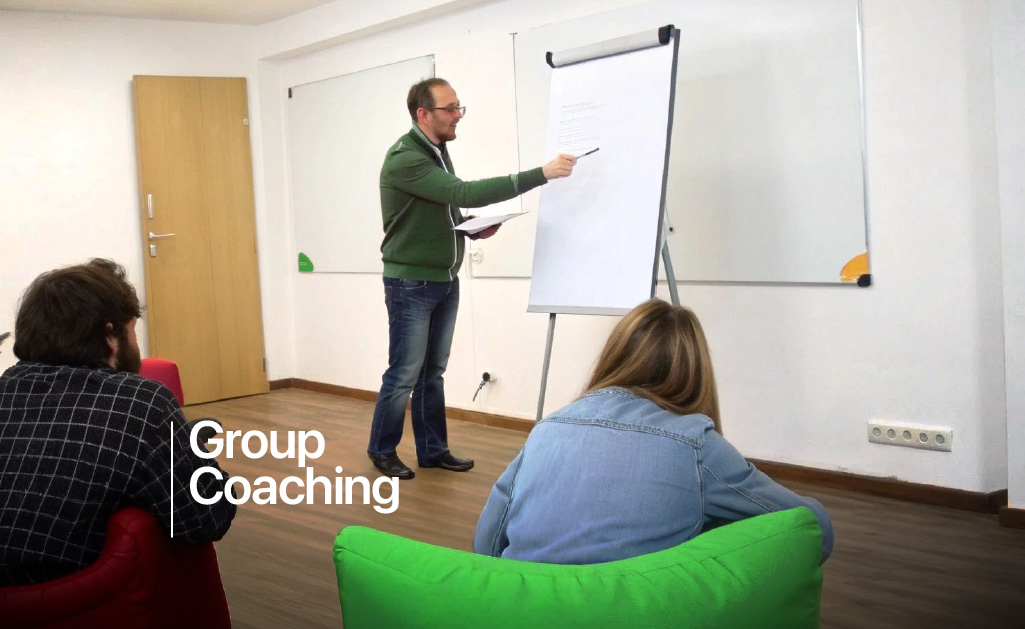
The primary goal of this approach is efficiency and alignment. Instead of repeating the same feedback in multiple individual sessions, a coach can address a widespread issue—like handling a new software update or a common customer complaint—with the entire team at once. This ensures everyone receives the exact same message, which is critical for maintaining service consistency and operational standards.
How to Implement This Call Center Coaching Technique
Effective group coaching requires careful planning to maximize engagement and knowledge retention. Start by identifying common trends from your quality assurance scores or agent feedback. For a deeper dive into structuring these programs, you can explore various call center training techniques that complement group coaching.
Use an interactive and structured format to keep agents engaged:
- Segment Your Groups: Whenever possible, group agents by team, skill level, or language proficiency to make the content more relevant and targeted.
- Keep it Focused: Limit sessions to 45-60 minutes to maintain high energy and prevent information overload. Focus on one or two key learning objectives per session.
- Encourage Peer Learning: Incorporate activities where top-performing agents can share their successful strategies or lead a role-playing scenario. This builds confidence and reinforces best practices organically.
- Provide Follow-Up Materials: Record the session and share key takeaways or job aids afterward for agents who were absent or need a refresher.
Industry-Specific Example: E-commerce & Bilingual Teams
In an e-commerce call center, a group session is perfect for a monthly product knowledge update or training on how to handle a seasonal influx of calls. A coach can introduce a new product line, demonstrate its features, and run role-playing exercises on upselling related accessories. For our bilingual nearshore teams, these sessions are essential for discussing cultural nuances in customer service, ensuring that phrases and tones are appropriate for both Spanish and English-speaking customers to drive satisfaction and loyalty.
3. Peer Coaching & Buddy System
Peer coaching introduces a collaborative, non-hierarchical dynamic to agent development by pairing experienced, high-performing agents with newer or developing colleagues. This “buddy system” fosters a mentorship environment where learning is more relatable and immediate. Instead of feedback coming only from a supervisor, agents gain insights from a peer who navigates the same daily challenges, systems, and customer interactions.
The primary goal of this technique is to leverage the expertise already present on your team, creating a culture of shared knowledge and mutual support. It empowers top agents to take on leadership roles and provides struggling agents with a safe, accessible resource for asking questions. This approach is one of the most effective call center coaching techniques for building team cohesion and accelerating the learning curve for new hires.
How to Implement This Call Center Coaching Technique
A successful peer coaching program requires structure, clear guidelines, and incentives. It’s not enough to simply pair two agents together; you must equip the “coach” with the tools and motivation to succeed. Random pairings are less effective than strategic partnerships based on complementary skills and personalities.
Use these steps to build your program:
- Formalize the Role: Create a formal “Peer Coach” or “Mentor” title. Recognize and reward these agents with a small bonus, extra paid time off, or career development opportunities to validate their contribution.
- Provide a Framework: Train your peer coaches. Give them a simple coaching model, like the “I do, we do, you do” method, where they first demonstrate a skill, then perform it with the mentee, and finally observe the mentee performing it alone.
- Set Clear Expectations: Define the time commitment (e.g., two 30-minute sessions per week), responsibilities, and desired outcomes. Ensure both agents understand their roles and the goals of the partnership.
Industry-Specific Example: Finance & Bilingual Teams
In a financial services call center, a veteran agent with deep knowledge of complex compliance regulations can mentor a new agent on how to handle sensitive customer data securely. The peer coach can provide real-time tips on navigating difficult compliance questions that a training manual can’t cover.
For our nearshore bilingual teams in Tijuana, this system is invaluable. We pair a native Spanish-speaking agent with an agent who is still developing fluency. This allows for practical, conversational language practice focused on industry-specific terminology and cultural nuances, ensuring they can provide an exceptional and authentic customer experience.
4. Mystery Shopping & Scenario-Based Coaching
Mystery shopping is a powerful quality assurance technique where trained evaluators pose as real customers to assess agent performance in realistic, unscripted scenarios. This method moves beyond recorded calls to test an agent’s skills in real-time, providing an unbiased view of their problem-solving, product knowledge, and adherence to company protocols. The subsequent coaching session is highly targeted, focusing on the specific strengths and weaknesses revealed during the interaction.
This proactive approach allows you to evaluate how agents perform “in the wild” without the awareness that they are being monitored. The goal is to get a true snapshot of the typical customer experience and use that data to inform highly specific coaching. For an e-commerce client, a mystery shopper might call to inquire about a complex return policy, testing the agent’s knowledge, patience, and ability to retain the customer’s business.
How to Implement This Call Center Coaching Technique
Effective implementation requires careful planning and a clear evaluation framework. The scenarios must be realistic and reflect common customer journeys, and the feedback must be delivered constructively. A well-designed mystery shopping program is one of the most insightful call center coaching techniques for identifying systemic issues and individual skill gaps.
To get started, follow a structured process:
- Develop Detailed Rubrics: Create comprehensive evaluation forms aligned with client SLAs and internal quality standards. These should cover everything from greeting and tone to compliance and first-call resolution.
- Create Diverse Scenarios: Design a variety of situations that test different competencies. Include simple inquiries, complex technical problems, billing disputes, and interactions with frustrated customers.
- Conduct Regular Evaluations: Schedule mystery shops at least quarterly for each agent to track progress and maintain consistency.
- Provide Timely Feedback: Share the results in a one-on-one coaching session within a week of the evaluation. Use the evaluator’s report as a guide to discuss specific moments and behaviors.
Industry-Specific Example: Financial Services & Bilingual Teams
In the financial services sector, mystery shopping is critical for testing compliance with strict regulatory language and fraud detection protocols. An evaluator can pose as a customer reporting a suspicious transaction, assessing whether the agent follows the correct verification steps and uses mandated disclosures.
For our nearshore, bilingual operations, we use Spanish-fluent mystery shoppers to evaluate interactions with our Spanish-speaking customers. This allows us to assess not only language proficiency and clarity but also cultural sensitivity and the agent’s ability to build trust. For example, a shopper might call with a culturally specific question about sending money abroad, allowing us to coach agents on using appropriate terminology and demonstrating empathy that resonates with that customer base.
5. Performance Metrics & Data-Driven Coaching
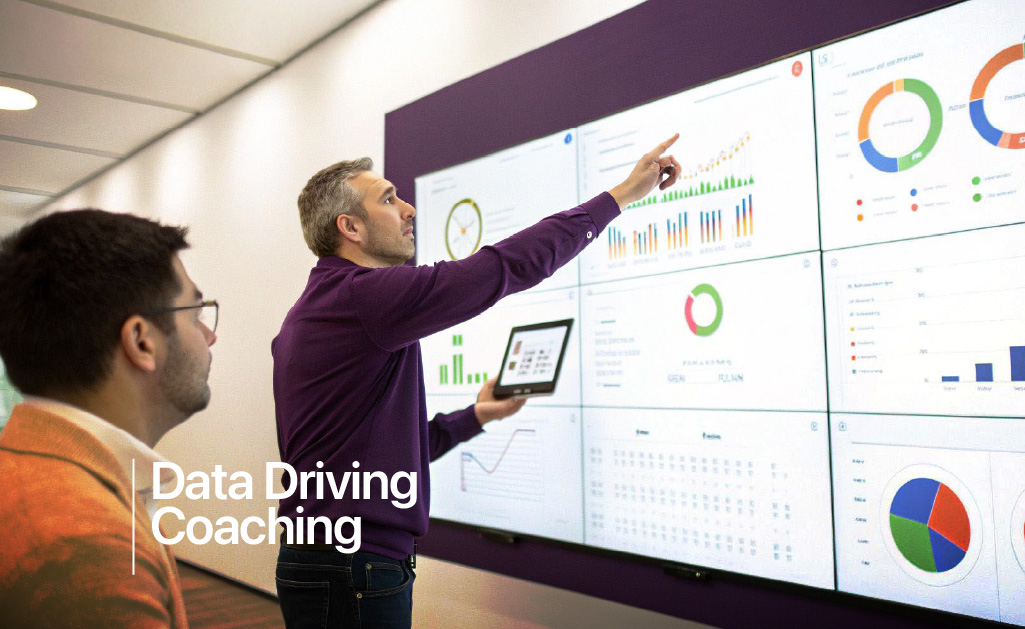
Data-driven coaching anchors agent development in objective reality, moving beyond subjective feedback to focus on concrete performance metrics. This technique uses key performance indicators (KPIs) like First Call Resolution (FCR), Customer Satisfaction (CSAT), and Average Handle Time (AHT) to identify trends, pinpoint specific coaching opportunities, and measure progress over time. By grounding conversations in data, supervisors can have more productive and less confrontational coaching sessions.
This method transforms coaching from a qualitative art into a quantitative science, making it an essential part of modern call center coaching techniques. For instance, a financial services agent might have a high FCR rate but a low CSAT score. A data-driven coach can analyze this trend, review call recordings associated with low scores, and guide the agent on improving empathy and communication without sacrificing accuracy.
How to Implement This Call Center Coaching Technique
Effective data-driven coaching requires a balanced and transparent approach. The goal is to use metrics to empower agents, not to micromanage them. Start by creating visual dashboards that allow agents to track their own performance in real time, fostering a sense of ownership. A deeper understanding of your KPIs is essential; for more detail, you can explore insights on how to measure and improve call center KPIs to build a solid foundation.
Use these steps to integrate data into your coaching framework:
- Balance Quality and Efficiency: Never focus on a single metric like AHT in isolation. Pair efficiency metrics with quality scores (CSAT, QA) to ensure agents are not rushing through calls at the expense of the customer experience.
- Investigate Root Causes: Before coaching on a poor metric, investigate potential underlying issues. Is a high AHT caused by slow system performance, a complex new product, or a gap in training? Addressing the root cause is more effective than just telling an agent to be faster.
- Set Personalized Goals: Use an agent’s individual baseline as the starting point for improvement goals. A 5% improvement in FCR is a more motivating and realistic target than asking a new agent to match the performance of a ten-year veteran.
Industry-Specific Example: E-commerce & Nearshore Teams
In an e-commerce call center during a peak holiday season, data-driven coaching is crucial for managing high call volumes. A coach might notice an agent’s after-call work (ACW) is significantly higher than the team average. By reviewing the data, they can provide targeted coaching on using system shortcuts or documentation templates to reduce ACW, freeing up that agent to handle more customer inquiries.
For our nearshore teams, this technique is fundamental to demonstrating value and efficiency. We use metrics like cost-per-contact and FCR to show our clients tangible ROI. Coaching sessions focus on how individual performance directly contributes to these key business outcomes, reinforcing the agent’s critical role in the partnership’s success.
6. Constructive Feedback & Coaching Conversations
How feedback is delivered is just as important as the feedback itself. This technique moves beyond simple critiques and focuses on structured, empathetic conversations that create a safe space for growth. By using proven frameworks, coaches can guide agents toward self-discovery and improvement without causing defensiveness. The core idea is to separate the behavior from the person, focusing on specific, observable actions and their tangible impact.
This approach transforms coaching from a potentially stressful evaluation into a collaborative problem-solving session. For example, instead of saying “You sounded rude,” a coach using the Situation-Behavior-Impact (SBI) framework would say, “On that call with the frustrated customer (Situation), I noticed your voice volume increased and you interrupted them twice (Behavior), which seemed to make the customer more agitated (Impact).” This specificity makes the feedback objective and actionable.
How to Implement This Call Center Coaching Technique
Mastering constructive coaching conversations requires a commitment to a clear process. The goal is to ensure the agent feels heard, respected, and motivated to change. Always hold these conversations in a private setting to maintain confidentiality and psychological safety.
Use a proven framework to structure your discussion:
- SBI (Situation-Behavior-Impact): Clearly describe the specific Situation, the agent’s observable Behavior, and the resulting Impact on the customer, the team, or a KPI.
- Ask, Don’t Tell: After presenting the feedback, ask open-ended questions like, “What was your perspective on that part of the call?” or “What do you think we could do differently next time?” This encourages self-reflection.
- Focus and Follow-Up: Limit feedback to one or two key behaviors to avoid overwhelming the agent. End the session by agreeing on a single action item and schedule a brief follow-up to review progress and celebrate small wins.
Industry-Specific Example: Finance & Bilingual Teams
In the financial services industry, compliance is non-negotiable. If an agent deviates from a required disclosure script, a coach can use a structured feedback model to correct the behavior without creating fear. The coach can state, “During the loan application call at 10:15 AM (Situation), the required interest rate disclosure was missed (Behavior). This creates a compliance risk for us and could confuse the customer (Impact).”
For our bilingual teams at CallZent, this is one of the most vital call center coaching techniques for ensuring clarity. If an agent inappropriately mixes Spanish and English when explaining complex financial terms, a coach can provide feedback in the agent’s preferred language, reinforcing the importance of using consistent, professional terminology to build trust and ensure full comprehension with every client.
7. Compliance & Quality Assurance Coaching
Compliance and quality assurance (QA) coaching is a highly specialized technique dedicated to upholding regulatory standards and client-specific protocols. Unlike performance coaching that focuses on sales or efficiency, this method centers on mitigating risk and ensuring every interaction adheres to strict legal and procedural guidelines. It moves beyond simple rule-following, coaching agents to understand the critical “why” behind each compliance requirement. This approach is non-negotiable for high-stakes industries where a single violation can result in severe penalties.
This technique transforms compliance from a checklist item into an integral part of the agent’s mindset. For example, a financial services agent isn’t just told to read a disclosure script; they are coached on why that specific language is required by the Consumer Financial Protection Bureau (CFPB) to protect both the customer and the company. This understanding fosters a culture of diligence and accountability, which is essential for maintaining trust and avoiding costly legal issues.
How to Implement This Call Center Coaching Technique
Effective compliance coaching requires precision, documentation, and a clear separation from general performance reviews. The goal is to create an environment where agents see compliance not as a barrier, but as a framework for providing secure and trustworthy service. For a deeper dive into building this framework, you can review the essentials of achieving world-class quality in call centers.
Use these targeted steps to integrate compliance coaching:
- Separate the Sessions: Conduct compliance-focused coaching sessions separately from those about sales or AHT. This reinforces the gravity of the topic and prevents important details from being overlooked.
- Focus on the ‘Why’: Explain the real-world consequences of non-compliance, such as legal fines, data breaches, or loss of customer trust. When agents understand the stakes, their buy-in increases dramatically.
- Document Everything: Meticulously document all compliance coaching sessions, training completions, and corrective actions. This creates an essential audit trail and reinforces accountability.
Industry-Specific Example: Finance & Nearshore Teams
In the financial services sector, this is one of the most vital call center coaching techniques. An agent handling debt collections must be coached on the Fair Debt Collection Practices Act (FDCPA), learning exactly what constitutes harassment and what information they are legally allowed to share. A coach might review a call and point out, “Here, when you spoke with the third party, you correctly avoided mentioning the debt itself. That’s a perfect example of FDCPA adherence.”
For our bilingual nearshore teams, this means creating and coaching on compliance scripts and templates in both English and Spanish. We ensure that regulatory language, like Fair Lending disclosures, is translated accurately and delivered with the correct tone, guaranteeing that all customers, regardless of language, receive the same compliant and protected service.
8. Motivational & Development-Focused Coaching
Beyond correcting errors, the most powerful call center coaching techniques focus on an agent’s future. Motivational and development-focused coaching shifts the conversation from “what you did wrong” to “where you can go.” This philosophy centers on recognizing potential, building confidence, and mapping out a clear career path within the organization. Instead of just improving metrics, the goal is to foster intrinsic motivation and help agents see themselves growing with the company.
This agent-centric approach is vital for retention and engagement, transforming the call center from a temporary job into a long-term career. It addresses the human need for purpose and progress, directly impacting morale and performance. For example, a coach might identify an agent’s natural leadership qualities and start a development plan to help them become a team lead, connecting their personal aspirations with the company’s needs.
How to Implement This Call Center Coaching Technique
Implementing this technique requires a genuine investment in your team’s professional growth. It starts with structured, future-focused conversations that happen consistently, not just during annual reviews. The aim is to create a culture where development is a continuous dialogue between agents and leadership. For a deeper dive into building this type of positive environment, you can find proven strategies on how to motivate call center agents on our blog.
Use these steps to integrate motivational coaching into your framework:
- Conduct Career Conversations: Schedule semi-annual meetings dedicated solely to discussing an agent’s career goals, aspirations, and what success looks like to them.
- Create a Clear Career Ladder: Visibly map out advancement opportunities. Show agents the path from a frontline role to a senior agent, quality analyst, or supervisor position.
- Celebrate Wins Publicly: Regularly recognize both major achievements and consistent effort in team meetings, emails, or internal communication channels. Acknowledging work anniversaries and personal milestones also strengthens this culture.
- Involve Agents in Goal-Setting: Collaborate with agents to set their development goals. When they have ownership over their objectives, their commitment increases significantly.
Industry-Specific Example: Finance & E-commerce
In a highly-regulated financial services call center, this technique can be used to develop subject matter experts. A coach can identify an agent with a strong aptitude for complex mortgage products and create a development plan that includes advanced training and mentorship, preparing them for a specialized role. This not only boosts the agent’s confidence but also builds a valuable internal resource for the team.
For our nearshore e-commerce teams, this approach is key to retention. We can highlight an agent’s exceptional bilingual communication skills as a critical asset, creating pathways for them to become a peer coach for language nuances or a point of contact for high-value international customers. This turns their unique skill into a recognized and rewarded part of their career journey.
8 Call Center Coaching Techniques Compared
| Coaching Technique | Key Objective | Best For… | Advantage for Nearshore Teams |
|---|---|---|---|
| 1. One-on-One Call Review | Targeted, personalized feedback | Addressing specific agent skill gaps | Perfect for fine-tuning bilingual tone and cultural nuances. |
| 2. Group Coaching | Consistent, scalable training | Rolling out new processes or product info | Ensures entire bilingual teams get the same message and training. |
| 3. Peer Coaching | Collaborative learning & support | New hire onboarding and reinforcement | Builds team cohesion and offers relatable, real-time language support. |
| 4. Mystery Shopping | Unbiased performance assessment | Validating compliance and soft skills | Provides an objective view of the customer experience in both languages. |
| 5. Data-Driven Coaching | Objective, KPI-focused improvement | Improving efficiency and quality metrics | Clearly demonstrates ROI to clients with measurable performance data. |
| 6. Constructive Feedback | Fostering growth and trust | Addressing sensitive performance issues | Creates a safe, supportive environment for bilingual agents to grow. |
| 7. Compliance Coaching | Mitigating risk and ensuring adherence | High-stakes industries (finance, healthcare) | Guarantees consistent adherence to regulations across all languages. |
| 8. Motivational Coaching | Increasing retention and engagement | Career pathing and long-term development | Reduces agent attrition by showing a clear growth path within the BPO. |
Elevate Your Customer Experience with Strategic Coaching
The journey to an exceptional customer experience is paved with consistent, high-impact coaching. Throughout this guide, we’ve explored a comprehensive toolkit of call center coaching techniques, moving beyond generic advice to provide actionable frameworks for real-world application. From the targeted precision of one-on-one call reviews to the collaborative energy of group calibration sessions, the right approach isn’t about choosing one method but about strategically blending them into a cohesive program.
Mastering these techniques is the critical link between operational goals and agent performance. Simply tracking KPIs like AHT or FCR is not enough; data-driven coaching gives those numbers meaning, transforming abstract metrics into personalized development plans. Likewise, leveraging peer coaching empowers your team to build a self-sustaining culture of support and shared knowledge, which is especially powerful for bilingual and nearshore teams where collaborative learning bridges cultural and linguistic nuances.
The ultimate goal is to create a coaching ecosystem, not just a series of isolated events. This ecosystem thrives on a foundation of constructive feedback, where every conversation is an opportunity for growth, not criticism. By integrating compliance and quality assurance directly into coaching, you ensure that agents not only meet regulatory standards but also understand the “why” behind them, fostering a deeper sense of responsibility.
Your Roadmap to Coaching Excellence
Transforming theory into practice requires a clear plan. As you move forward, focus on these pivotal next steps to institutionalize effective call center coaching techniques:
- Audit Your Current Process: Where are the gaps? Are you relying too heavily on one method, like scorecard-driven feedback, while neglecting motivational coaching? Identify one or two new techniques from this list to pilot over the next quarter.
- Equip Your Leaders: Your supervisors and team leads are the linchpins of your coaching program. Invest in their development with “train-the-trainer” sessions focused on conducting effective coaching conversations, interpreting performance data, and delivering balanced feedback.
- Create a Feedback Loop: Coaching should not be a one-way street. Implement a system for agents to provide feedback on the coaching they receive. This not only improves the process but also increases agent buy-in and engagement.
- Integrate Technology Thoughtfully: Leverage your CRM, call recording software, and quality assurance platforms to automate data gathering and identify coachable moments. This frees up your leaders to focus less on finding opportunities and more on the human element of coaching.
The Lasting Impact of a Coaching Culture
Ultimately, adopting a multifaceted coaching strategy is an investment in your most valuable asset: your people. It’s the difference between a team that simply follows scripts and a team of empowered brand advocates who can solve complex problems with confidence and empathy. A strong coaching culture directly reduces agent attrition, improves customer satisfaction (CSAT), and builds a resilient, adaptable workforce capable of meeting evolving customer expectations.
This commitment to continuous improvement is what separates an average call center from a world-class customer experience hub. By implementing these diverse call center coaching techniques, you are not just managing performance; you are building careers, fostering loyalty, and securing the long-term success of your customer service operation.
Frequently Asked Questions About Call Center Coaching
1. What are call center coaching techniques?
Call center coaching techniques are structured methods used to improve agent performance, communication skills, compliance, and customer experience through feedback, training, and development conversations.
2. How often should call center agents be coached?
High-performing call centers use a mix of weekly micro-coaching, monthly performance sessions, and quarterly development conversations.
3. What KPIs improve most with effective coaching?
First Call Resolution (FCR), Customer Satisfaction (CSAT), Quality Assurance (QA) scores, and agent retention show the fastest gains.
4. Is one-on-one coaching better than group coaching?
Both are essential. One-on-one coaching targets individual gaps, while group coaching ensures consistency and scalability.
5. How does coaching reduce agent turnover?
Development-focused coaching builds confidence, career visibility, and engagement—key drivers of long-term retention.
6. What role does data play in coaching?
Metrics like CSAT, AHT, and FCR help identify coaching priorities and track improvement objectively.
7. Is peer coaching effective in BPO environments?
Yes. Peer coaching accelerates onboarding, builds culture, and is especially powerful for bilingual teams.
8. How is compliance coaching different?
Compliance coaching focuses on regulatory adherence and risk mitigation, not performance or sales outcomes.
9. Can nearshore teams benefit from these techniques?
Absolutely. Coaching is critical for aligning language, tone, and cultural nuance with U.S.-based brands.
10. What’s the biggest coaching mistake managers make?
Treating coaching as corrective instead of developmental—and relying on scorecards instead of conversations.
Build a High-Performance Call Center with CallZent
World-class customer experience doesn’t happen by accident—it’s coached.
At CallZent, coaching is embedded into everything we do.
Our nearshore, bilingual teams in Tijuana are trained using proven frameworks
that drive CSAT, compliance, and long-term retention.
Ready to partner with a BPO that has world-class coaching built into its DNA? CallZent leverages these advanced techniques to train our nearshore, bilingual teams in Tijuana, ensuring they operate as a seamless extension of your brand. Discover how our agent-centric culture and strategic coaching can elevate your customer experience by visiting CallZent today.