Skip to content

Home ›
Blog ›
Call Center Outsourcing
Call Center Outsourcing in Mexico: Complete 2025 Guide
Updated September 2025 • By CallZent Editorial Team
TL;DR: Why Outsourcing to Mexico Works
Call center outsourcing in Mexico delivers the perfect balance of cost savings,
bilingual support, and nearshore convenience.
U.S. companies save up to 50% compared to domestic operations, while gaining English-Spanish
customer service aligned with U.S. time zones and cultural expectations.
Compared to the Philippines, Mexico enables faster collaboration, easier travel, and real-time responsiveness.
Businesses are continuously seeking ways to optimize operations, reduce costs, and enhance customer satisfaction. One effective strategy that has gained significant traction is call center outsourcing in Mexico. As companies explore global options for scalability, call center outsourcing in Mexico has emerged as a smart, cost-effective choice.
This comprehensive guide will explore the meaning of call center outsourcing in Mexico, its history, benefits, challenges, best practices, and emerging trends to help businesses make informed decisions about leveraging this solution. From bilingual agents to nearshore advantages, call center outsourcing in Mexico delivers reliable service while ensuring cultural and time zone alignment with North American businesses.
Over the past decade, call center outsourcing in Mexico has become increasingly popular among U.S.-based companies seeking top-tier customer support at lower costs. Thanks to improved infrastructure and skilled talent, call center outsourcing in Mexico now competes globally with traditional offshore hubs.
Despite its many benefits, call center outsourcing in Mexico does come with challenges—such as regulatory compliance and agent training—but when done right, the rewards can be significant. Understanding how to navigate these hurdles is key to succeeding with call center outsourcing in Mexico.
Ultimately, businesses looking for quality, affordability, and proximity will find that call center outsourcing in Mexico offers a compelling solution for sustainable growth and exceptional customer service.
What is Call Center Outsourcing in Mexico?
Definition and Overview
Call center outsourcing involves delegating customer service or support operations to a third-party provider. These providers specialize in handling a wide range of customer interactions, including inbound and outbound calls, emails, live chats, social media interactions, and more. By transferring these functions to experts, businesses can focus on core activities while ensuring their customers receive excellent service.
Types of Call Center Outsourcing Services in Mexico
Mexican call centers offer a robust suite of solutions to meet the diverse needs of modern businesses:
- Nearshore Call Center Services: Benefit from geographic proximity, cultural alignment, and time zone compatibility for seamless communication and faster response times.
- Technical Support Outsourcing: Access skilled agents capable of troubleshooting, product support, and technical issue resolution across a variety of industries.
- Customer Experience Management: Providers focus on delivering consistent, high-quality customer interactions that boost satisfaction and brand loyalty.
- Workforce Management: Efficient scheduling, staffing, and real-time performance monitoring ensure service levels remain high while optimizing labor costs.
- After Hours and Overflow Support: Ensure your customers are always heard with extended hours of availability and backup support during peak times or unexpected surges.
- Management System and Business Support: Beyond customer-facing roles, many providers offer back-office support, analytics, and process improvement to enhance overall business performance.
By utilizing these specialized services, companies can tailor their outsourcing strategy to address specific challenges—whether it’s scaling quickly, managing complex technical issues, or ensuring customers always have someone to talk to, day or night.
Historical Evolution of Outsourcing
The practice of outsourcing dates back to the 18th century, with businesses relying on external specialists for tasks like manufacturing and accounting. However, call center outsourcing emerged as a distinct industry in the late 20th century, driven by the globalization of business and advances in telecommunications technology.
- 1980s and 1990s: Businesses in developed countries began outsourcing customer service functions to offshore locations like India and the Philippines, where labor costs were significantly lower.
- 2000s: The rise of digital communication channels like email and live chat expanded the scope of outsourcing beyond voice-based support.
- 2020s: Outsourcing evolved to include omnichannel customer service, AI-driven solutions, and cloud-based platforms, reflecting the growing complexity of customer expectations.
Today, leading call center providers offer omnichannel support—integrating voice, email, live chat, text messaging, and social media into a unified platform. This approach ensures that every customer interaction, regardless of the channel, is captured and handled seamlessly. By equipping contact centers with these comprehensive capabilities, businesses can deliver a consistent, high-quality experience and gain valuable insights from every touchpoint.

Types of Call Center Outsourcing
Onshore Outsourcing
Onshore outsourcing involves partnering with call centers located within the same country as the business. This model minimizes language and cultural barriers, ensuring a seamless customer experience.
- Advantages: High service quality, better alignment with customer expectations, and ease of collaboration with the provider.
- Drawbacks: Typically more expensive than offshore options.
Example: A U.S.-based company outsourcing to a call center in Texas to ensure native English-speaking agents handle customer queries.
Offshore Outsourcing
Offshore outsourcing involves delegating customer support functions to providers in other countries, often to achieve cost savings. Popular destinations include:
- India: Known for its highly skilled workforce and expertise in technical support.
- Philippines: Renowned for its excellent English proficiency and strong customer service culture.
- Mexico: Preferred for its proximity to the U.S. and bilingual capabilities.
- Advantages: Significant cost reductions and access to a large talent pool.
- Drawbacks: Potential communication barriers and time zone differences.
Example: An e-commerce company outsourcing customer service to the Philippines to handle high volumes of inquiries during peak sales periods.
Enhanced Operational Efficiency
One of the key benefits of nearshore outsourcing is the alignment of time zones, which allows for prompt issue resolution and more immediate communication. This proximity helps foster trust and reliability, as teams can address customer needs in real time. Additionally, nearshore providers often leverage emerging technologies to streamline processes, resulting in more efficient and personalized customer care.
Scalable and Flexible Solutions
Nearshore partners can quickly adapt to your business’s changing needs, providing scalable solutions that accommodate both rapid growth and seasonal fluctuations. Whether you need to ramp up support during peak periods or scale back during slower months, nearshore outsourcing offers flexibility without sacrificing service quality or efficiency.
In summary: Nearshore outsourcing is a strategic choice for companies seeking a blend of cost savings, operational efficiency, and seamless collaboration, particularly when bilingual or culturally aligned support is a priority.
Nearshore Outsourcing
Nearshore outsourcing involves working with providers in neighboring countries. This model strikes a balance between cost savings and proximity, enabling smoother collaboration and shorter travel times.
- Advantages: Reduced cultural and time zone differences compared to offshore outsourcing.
- Drawbacks: Slightly higher costs than offshore options.
Example: A Canadian company outsourcing to a call center in Mexico to manage bilingual customer support.
Benefits of Call Center Outsourcing
Cost Efficiency
Outsourcing eliminates the need to invest in in-house infrastructure, hiring, and training. Businesses can redirect these savings toward strategic growth initiatives.
- Statistic: According to Deloitte, 59% of businesses outsource to reduce costs.
- Example: A retail chain reduced operational expenses by 40% by outsourcing seasonal customer support during holiday peaks.
Access to Expertise
Third-party providers bring specialized knowledge, advanced tools, and well-trained personnel to the table. This ensures a superior level of service that might be difficult to achieve in-house.
- Example: A healthcare provider outsourcing to a call center with expertise in HIPAA compliance, ensuring secure patient interactions.
Scalability
Outsourcing offers the flexibility to scale operations up or down based on demand. This is especially beneficial for industries with seasonal fluctuations, like retail and travel.
- Example: A travel agency outsourcing during peak vacation seasons to handle booking inquiries and cancellations efficiently.
Leveraging Demand Forecasting for Smarter Scaling
Accurate demand forecasting allows businesses to tailor their contact center operations to real-world fluctuations. By examining historical call volumes—think Black Friday spikes or post-holiday return requests—alongside real-time analytics, companies can anticipate when additional support is needed and when to dial staffing back.
Effective forecasting relies on blending both past data and current trends:
- Seasonal Trends: Analyze previous years’ patterns to predict busy periods, such as tax season for financial institutions or enrollment periods for healthcare providers.
- Event-Based Spikes: Prepare for marketing campaigns, product launches, or sudden news that can drive abrupt increases in customer inquiries.
- Real-Time Monitoring: Tools from providers like NICE or Genesys enable continuous monitoring so teams can make on-the-fly adjustments to workforce allocation.
This proactive approach leads to smoother scaling, prevents customer bottlenecks, and ensures that multilingual support—whether in English, Spanish, or beyond—remains consistent in both peak and off-peak times. In essence, demand forecasting transforms guesswork into a strategic advantage, helping businesses keep service levels high without unnecessary overhead.
Focus on Core Business Functions
By outsourcing non-core activities like customer service, businesses can concentrate on their core competencies, such as product development, marketing, and expansion.
Enhancing Operational Efficiency
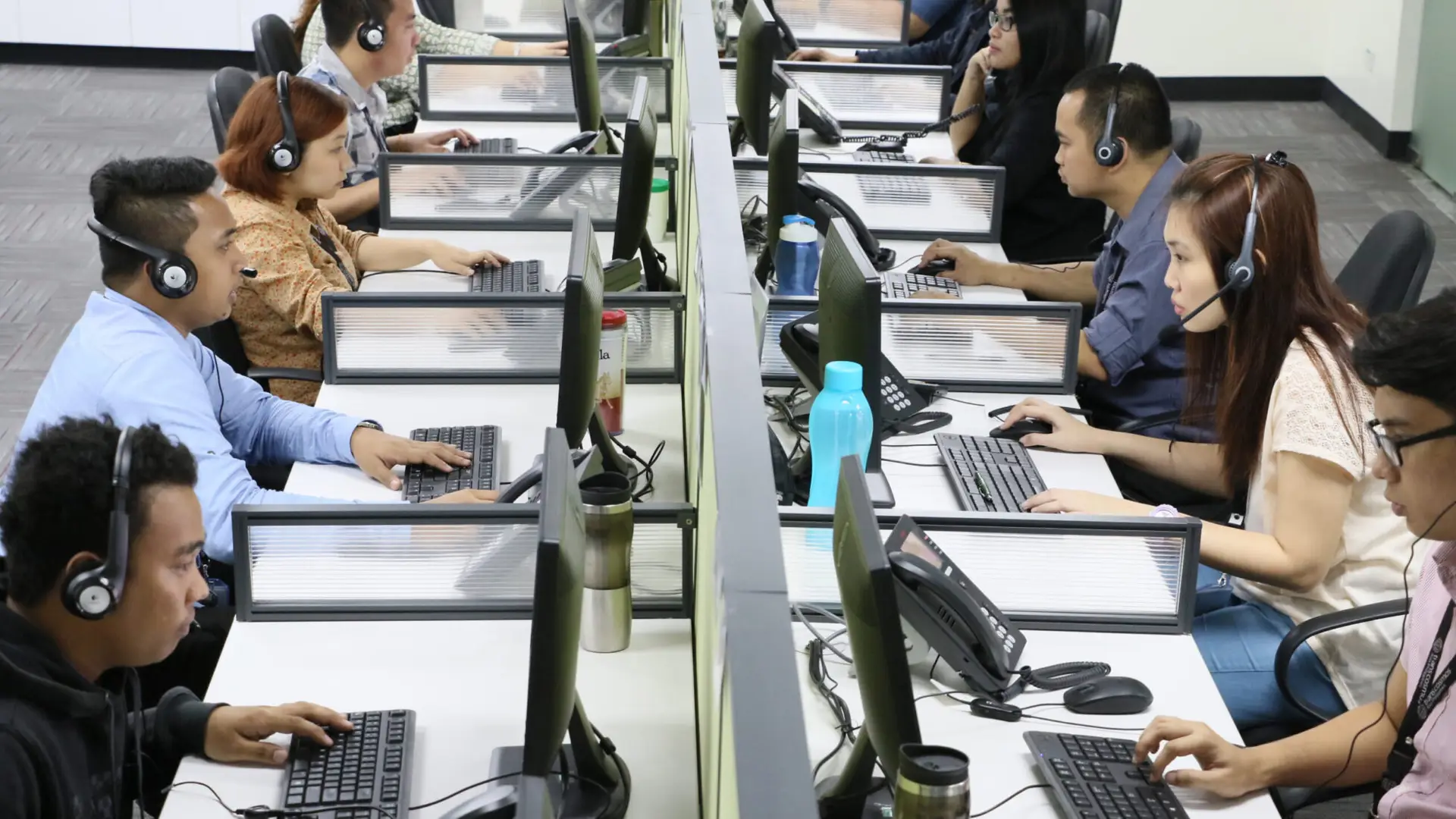
Outsourcing to Mexico offers significant improvements in operational efficiency for businesses. Thanks to similar time zones, your teams can collaborate in real time, allowing for swift issue resolution and seamless communication. This geographical advantage means customer concerns are addressed quickly, building trust and reinforcing your company’s reliability.
Additionally, working with experienced offshore teams often brings fresh perspectives and a strong grasp of the latest technologies. These partners can introduce new tools and streamlined processes, helping your business deliver more personalized and efficient service to your customers. As a result, your operations become leaner and more responsive without sacrificing quality.
Challenges of Call Center Outsourcing
Communication Barriers
Language differences and cultural nuances can sometimes lead to misunderstandings between agents and customers. Proper training and hiring bilingual agents can mitigate these issues.
- Example: A telecom company faced initial backlash due to offshore agents struggling with local slang but resolved it through targeted language training programs.
Quality Control
Ensuring consistent service quality requires robust monitoring and clear performance metrics. Companies must establish service level agreements (SLAs) and regularly evaluate their outsourcing partner’s performance.
Enhanced Quality Control and Oversight
Nearshore call centers in Mexico offer the advantage of greater transparency and real-time collaboration, making it easier for businesses to maintain stringent quality standards. Proximity allows for more frequent onsite visits, faster feedback cycles, and smoother alignment with your company’s expectations.
- Closer Collaboration: Being in a similar time zone means your management and quality assurance teams can coordinate seamlessly with their counterparts, ensuring rapid resolution of any issues that arise.
- Cultural Synergy: Reduced cultural barriers facilitate clearer communication of brand values and service protocols.
- Live Monitoring: With less geographical distance, regular audits, performance reviews, and ongoing agent training can be conducted more efficiently.
Example: A U.S.-based retailer achieved higher customer satisfaction scores after partnering with a nearshore provider in Mexico, citing weekly joint quality calibration sessions and immediate feedback loops as key contributors.
Data Security Concerns
Outsourcing involves sharing sensitive customer information, such as payment details or personal data. Businesses must ensure their provider complies with data protection regulations like GDPR and CCPA.
- Example: A financial services company implemented end-to-end encryption and stringent access controls to secure customer data when outsourcing.
How Call Center Outsourcing Works
Contracting and Agreements
The outsourcing process begins with identifying business needs, selecting a suitable provider, and signing a contract that defines expectations, SLAs, and deliverables.
Technology and Tools
Modern call centers use advanced technologies such as:
- CRM Systems: Centralize customer data for personalized service.
- AI Analytics: Provide insights into customer behavior and satisfaction.
- Cloud-Based Platforms: Enable seamless communication across multiple channels.
Performance Monitoring
To ensure quality, businesses must track key performance indicators (KPIs) such as:
- Average Handling Time (AHT)
- First Call Resolution (FCR)
- Customer Satisfaction Score (CSAT)

Key Industries Using Call Center Outsourcing
E-commerce
E-commerce businesses rely on outsourcing to manage high volumes of customer inquiries, returns, and order tracking during sales events like Black Friday.
Healthcare
Call centers assist with appointment scheduling, insurance verification, and patient inquiries, enabling healthcare providers to focus on delivering quality care.
- Example: A hospital chain outsourced multilingual call center support to better serve its diverse patient base.
Telecommunications
Telecom companies use outsourcing to handle technical support, billing inquiries, and service activations, ensuring a seamless customer experience.
Financial Services
Outsourced call centers support fraud prevention, account inquiries, and loan processing for banks and financial institutions.
Choosing the Right Outsourcing Partner
Factors to Consider
- Reputation: Research client reviews and industry standing.
- Expertise: Ensure the provider understands your industry’s needs.
- Technology: Evaluate their tools and platforms for compatibility.
Evaluating Vendor Capabilities
Request case studies, performance reports, and client testimonials to assess a provider’s ability to meet your requirements.
Case Studies of Successful Partnerships
- Retail Success: A global retailer reduced operational costs by 30% by outsourcing to an offshore provider during holiday seasons.
- Healthcare Impact: A provider improved patient satisfaction by offering 24/7 multilingual support through an outsourced call center.

Future Trends in Call Center Outsourcing
Artificial Intelligence Integration
AI-powered tools like chatbots, virtual assistants, and sentiment analysis will further enhance efficiency and customer insights.
Multichannel Support
Future call centers will integrate voice, email, live chat, and social media to provide seamless customer experiences across platforms.
Sustainability Practices
As businesses prioritize environmental responsibility, outsourced call centers will adopt eco-friendly practices, such as paperless operations and energy-efficient technologies.
Hyper-Personalization
Advanced analytics and AI will enable call centers to deliver highly personalized interactions, anticipating customer needs and preferences.
Is Call Center Outsourcing Right for Your Business?
Call Center Outsourcing in Mexico offers numerous benefits, from cost savings and scalability to access to skilled professionals. Many companies are turning to Call Center Outsourcing in Mexico to enhance their customer service while reducing operational costs.
However, the success of Call Center Outsourcing in Mexico depends heavily on choosing the right partner. With a well-planned strategy and a dependable outsourcing provider, businesses can gain a competitive edge.
One of the major advantages of Call Center Outsourcing in Mexico is the ability to scale support operations quickly and efficiently. Moreover, Call Center Outsourcing in Mexico provides bilingual agents who can seamlessly handle both English and Spanish customer interactions.
To achieve real transformation, companies must align their goals with the strengths of their outsourcing partner. When done right, Call Center Outsourcing in Mexico becomes a strategic asset. Trust in the right partner, and Call Center Outsourcing in Mexico will redefine your customer support success.
At CallZent, we specialize in delivering customized outsourcing solutions that align with your business goals. Whether you’re looking to improve efficiency, enhance customer satisfaction, or scale operations, our team is here to help. Contact us today to learn how we can elevate your customer service strategy.
For more updates and insights, follow us on LinkedIn.