Skip to content
Home ›
Blog ›
Customer Engagement
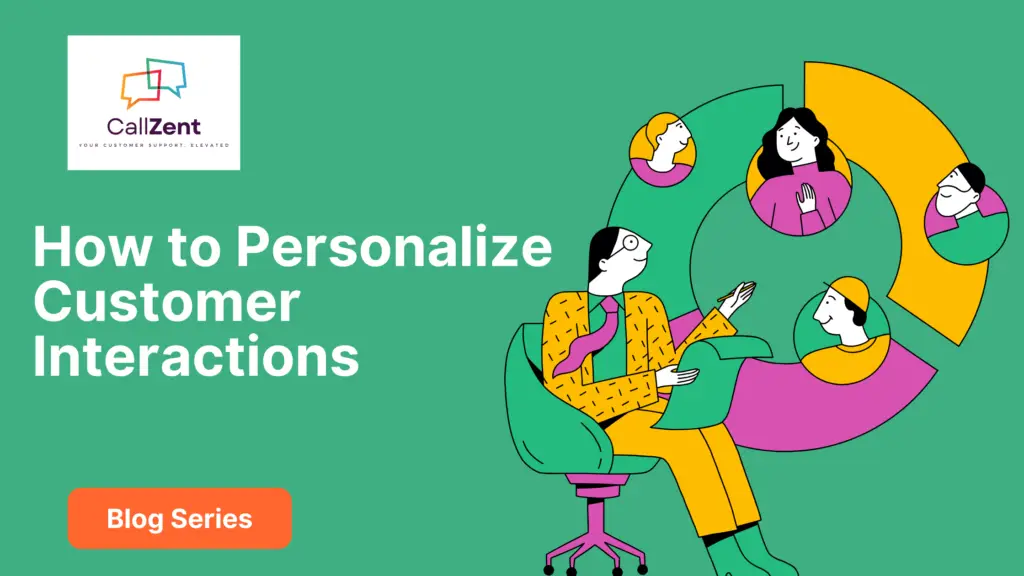
How to Personalize Customer Interactions
Last updated: August 29, 2025 • CallZent Editorial Team • Talk to an advisor
TL;DR: How to Personalize Customer Interactions
- Leverage CRM, analytics, surveys, and social insights to guide interactions.
- Segment audiences for targeted, relevant engagement.
- Use personalized emails, names, and dynamic content.
- Offer product recommendations from purchase history.
- Deliver seamless omnichannel support with integrated systems.
- Train employees in empathetic, data-driven service.
- Gather continuous feedback to refine personalization.
- Reward loyalty with personalized perks and offers.
- Test and optimize personalization strategies regularly.
At CallZent, our nearshore centers in Mexico help U.S. businesses blend personalization with scale — delivering CX that feels human and data-driven.
Now more than ever, businesses must go the extra mile to stand out and build lasting relationships through Customer Service. One of the most effective ways to do this is by personalizing customer interactions not just a luxury but an expectation.
Customers want to feel valued and understood. Companies that deliver on this can boost satisfaction and build lasting brand loyalty. But it’s not just about technology it’s about how you manage every customer interaction with care and precision.
Effective customer interaction management plays a crucial role in ensuring personalized experiences at every touchpoint. While tools and automation can help, strong personalization often starts with your team. Empowering employees through the right engagement strategies, supported by a robust employee engagement platform, allows them to better manage and respond to customer needs.
By investing in your team and equipping them with insights from customer interaction analytics, your business can create deeper connections, drive improved outcomes, and elevate the customer experience across all channels.
But how can businesses improve customer interactions to this level of customization? The answer lies in strong Customer Engagement. By leveraging data, segmenting audiences, and tailoring customer interactions, companies can create a seamless and highly personalized customer experience.
Effective customer interactions are timely, relevant, and rooted in understanding individual needs. To successfully interact with customers, businesses must go beyond one-size-fits-all communication.
With the help of modern customer engagement software and a well-managed customer interaction center, companies can automate personalization, track behavior, and respond more intelligently to customer needs. This ensures that every touchpoint becomes an opportunity to build trust, strengthen relationships, and drive long-term loyalty.
This guide explores how to personalize customer interactions in ways that drive engagement and retention. Businesses that prioritize meaningful customer interactions set themselves apart and build trust that lasts.
1. Leverage Customer Data for Meaningful Engagement
At the core of personalization is data. Understanding customer preferences, behaviors, and history enables businesses to craft interactions that feel genuinely relevant. Here are some key ways to gather and utilize customer data effectively:
- Customer Relationship Management (CRM) Systems : A robust CRM platform stores essential customer information, tracking past interactions, purchase history, and preferences. This enables customer service representatives to provide informed and personalized support.
- Website Analytics – Monitoring website activity helps businesses understand browsing behaviors, frequently visited pages, and abandoned carts, all of which provide insights into customer interests. Tools like Google Analytics can be invaluable.
- Surveys and Feedback Forms – Directly gathering customer feedback offers valuable insights into what customers want and expect from your brand. Consider using platforms like SurveyMonkey or Typeform.
- Social Media Insights – Engagement metrics, comments, and direct messages provide a wealth of data on what customers like and how they interact with your brand online. You can analyze this data using tools like Hootsuite or Sprout Social.
By leveraging these data sources, businesses can make informed decisions about how to personalize customer interactions and create a more engaging experience.
2. Segment Your Audience for Better Targeting
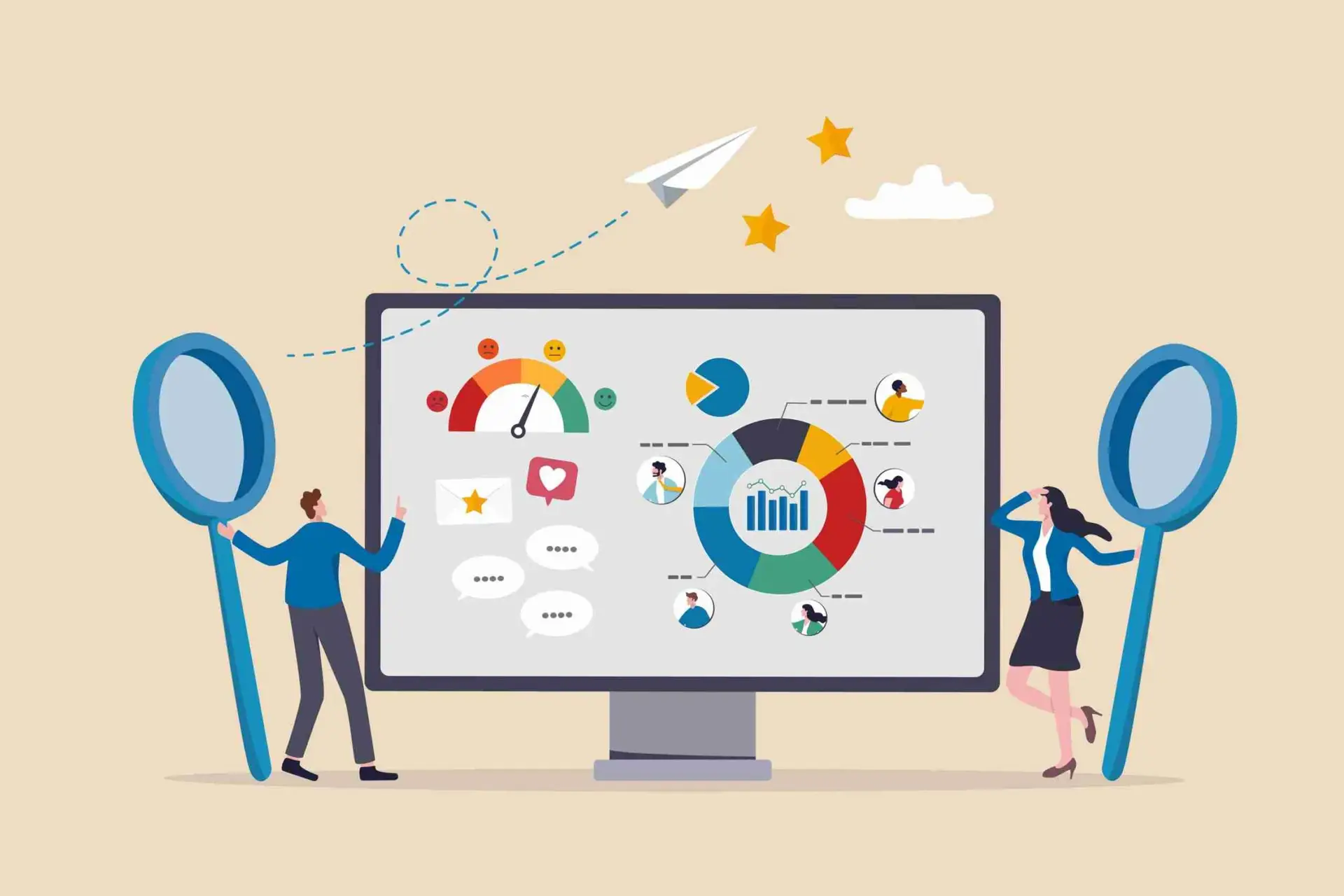
Not all customers are the same, so treating them as a single group can lead to missed opportunities. Segmentation helps businesses tailor their messaging and interactions based on customer characteristics, preferences, and behaviors.
Ways to segment your audience include:
- Demographics – Age, gender, income level, and location can influence buying behavior and communication preferences.
- Behavioral Data – Purchase history, website activity, and engagement levels (such as active vs. inactive users) can guide tailored outreach.
- Customer Lifecycle Stage – New customers, frequent buyers, and dormant customers each require different messaging and incentives.
- Communication Preferences – Some customers prefer email, while others engage more through social media or SMS.
By segmenting your audience effectively, you can develop highly personalized interactions that cater to the unique needs of each customer group.
3. Personalize Communication to Build Stronger Connections
A personal touch in communication goes a long way in making customers feel valued. Here’s how to personalize customer interactions through messaging and engagement:
- Use the Customer’s Name – Whether in emails, live chats, or phone conversations, addressing customers by name creates an immediate connection.
- Customized Email Marketing – Leverage customer data to send personalized recommendations, promotions, and updates relevant to their interests. Platforms like Mailchimp and HubSpot can help.
- Dynamic Website Content – Show different homepage banners, product suggestions, or blog recommendations based on the visitor’s browsing history.
- Tailored Chat Responses – Customer service representatives can use customer data to deliver more relevant and contextual responses.
By making communication more personal, businesses can increase engagement and create stronger relationships with their customers.
4. Offer Tailored Product Recommendations
One of the most effective ways to enhance the customer experience is by providing product recommendations based on previous interactions. This strategy increases sales while making the shopping experience more convenient for customers.
Here’s how to personalize customer interactions with tailored recommendations:
- Purchase History-Based Recommendations – Analyze past purchases to suggest relevant products.
- Upselling and Cross-Selling Techniques – Recommend complementary products based on what the customer has purchased before.
- Exclusive Offers Based on Preferences – Offer personalized discounts or promotions based on customer interests.
By delivering the right recommendations at the right time, businesses can enhance the shopping experience and encourage repeat purchases.
5. Provide Omnichannel Support for Seamless Experiences
Customers interact with brands across multiple platforms, including websites, social media, email, and phone support. Ensuring a consistent and personalized experience across these channels is crucial for customer satisfaction.
Best practices for omnichannel personalization include:
- Integrating Customer Interactions Across Channels – A unified system ensures that customer data is accessible across all touchpoints.
- Keeping Communication History Accessible – Agents should have access to past interactions to avoid customers repeating themselves.
- Offering Self-Service Options – Knowledge bases and chat tools can provide personalized support based on common inquiries.
An omnichannel approach ensures that customers receive seamless, personalized support regardless of how they choose to engage with your business.
6. Train Employees on Personalized Customer Service
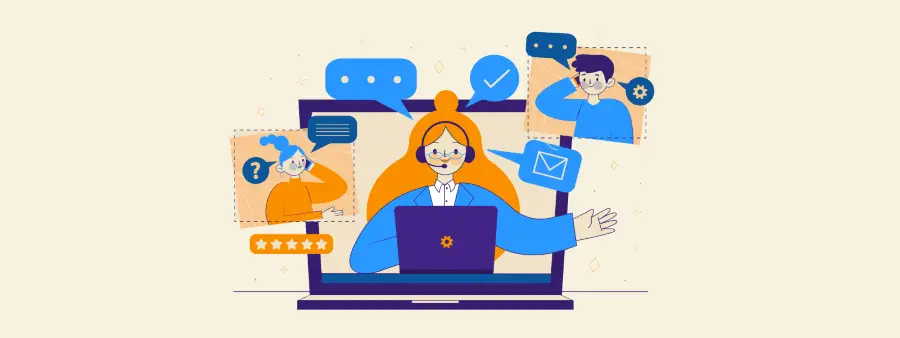
Well-trained employees can deliver a level of personalization that automated tools alone cannot.
Key training areas include:
- Using CRM Data Effectively – Teaching employees how to access and utilize customer information for more meaningful interactions.
- Recognizing Customer Pain Points – Encouraging proactive solutions to improve customer satisfaction.
- Practicing Active Listening – Understanding customer concerns and addressing them with empathy and efficiency.
By investing in employee training, businesses can ensure that personalization efforts extend beyond digital tools.
7. Gather Customer Feedback for Continuous Improvement
Customer needs and preferences evolve over time, making ongoing feedback essential for refining personalization strategies.
Ways to collect feedback:
- Surveys and Post-Interaction Reviews – Directly ask customers about their experiences and how they can be improved.
- Social Media Engagement – Monitor comments and direct messages to gauge sentiment and preferences.
- Support Ticket Trends – Analyze recurring issues to identify areas for improvement.
By regularly assessing feedback, businesses can adapt and enhance their personalization strategies to better meet customer expectations.
8. Reward Customer Loyalty with Personalized Incentives
Loyal customers appreciate recognition. Personalized rewards strengthen brand loyalty and encourage repeat business.
Effective loyalty strategies include:
- Customized Perks in Loyalty Programs – Offer discounts on frequently purchased items.
- Exclusive Early Access to Sales – Reward long-term customers with special promotions.
- Birthday and Anniversary Rewards – Send personalized offers based on significant dates.
Acknowledging loyal customers with tailored rewards enhances retention and brand advocacy.
9. Continuously Optimize Personalization Efforts
Personalization is not a one-time effort but an ongoing process. Regularly analyzing customer data and testing different strategies can help businesses refine their approach.
Optimization strategies include:
- Reviewing Engagement Metrics – Identify what’s working and adjust strategies accordingly.
- Testing Personalization Approaches – Experiment with different messaging, offers, and customer journeys.
- Staying Updated on Trends – Keep up with evolving technologies and best practices.
By continuously optimizing personalization efforts, businesses can maintain relevance and build stronger customer relationships.
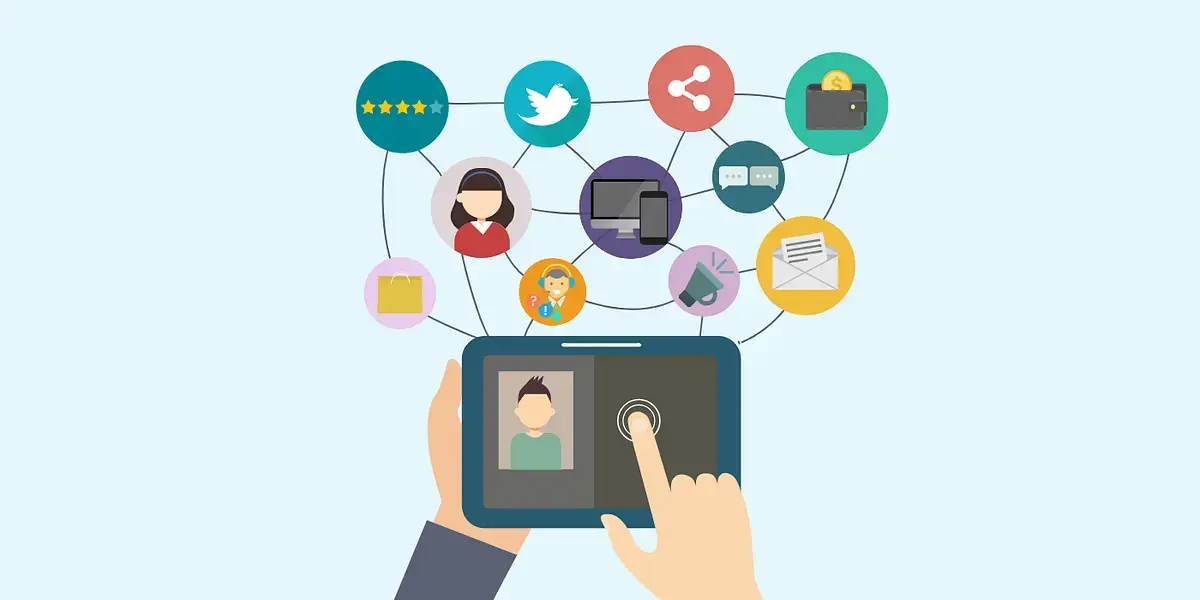
Personalizing customer interactions enhances brand loyalty and satisfaction while driving business growth. By leveraging customer data, using AI-driven solutions, and continuously refining personalization strategies, businesses can create more meaningful and engaging experiences. Start implementing these personalization techniques today to strengthen customer relationships and improve overall business performance.
Looking to enhance customer interactions with personalization? CallZent offers expert solutions to help businesses create seamless and engaging customer experiences. Contact us today to learn more!
For more content:
Best Call Center in Mexico | Why Tijuana Leads the Way (and Why CallZent Sets the Standard)
Top 5 Benefits of Mexican Call Centers
Bilingual Support That Delights Customers and Builds Loyalty
About the Author
Joe Andere, CEO of CallZent, has over a decade of experience in building bilingual nearshore call center solutions in Mexico. Joe specializes in customer engagement and scaling customer support for U.S. businesses.
Publisher: CallZent, a trusted provider of nearshore outsourcing solutions recognized for quality, compliance, and people-first service.