Skip to content
Business Operations Technology
The Modern Guide to Reservation Management Systems
Discover how a reservation management system eliminates double bookings, reduces no-shows, and streamlines customer scheduling with automated booking and call center support.
TL;DR — Quick Takeaways
- A reservation management system centralizes and automates bookings, replacing manual logs and spreadsheets.
- Automation prevents double bookings, reduces no-shows, and allows customers to book online 24/7.
- Key features include real-time calendars, automated reminders, online booking portals, and analytics.
- Combining reservation software with professional call center support ensures seamless customer experiences and maximizes revenue.
Are you still wrestling with double bookings, missed appointments, and a phone that never stops ringing? If so, you’re not just having a bad week—you’re facing a sign that your booking process is fundamentally broken. The hard truth is that old-school, manual methods are a major bottleneck, costing you customers and creating operational chaos. The solution is a modern reservation management system, which acts as the automated, intelligent command center for all your bookings.
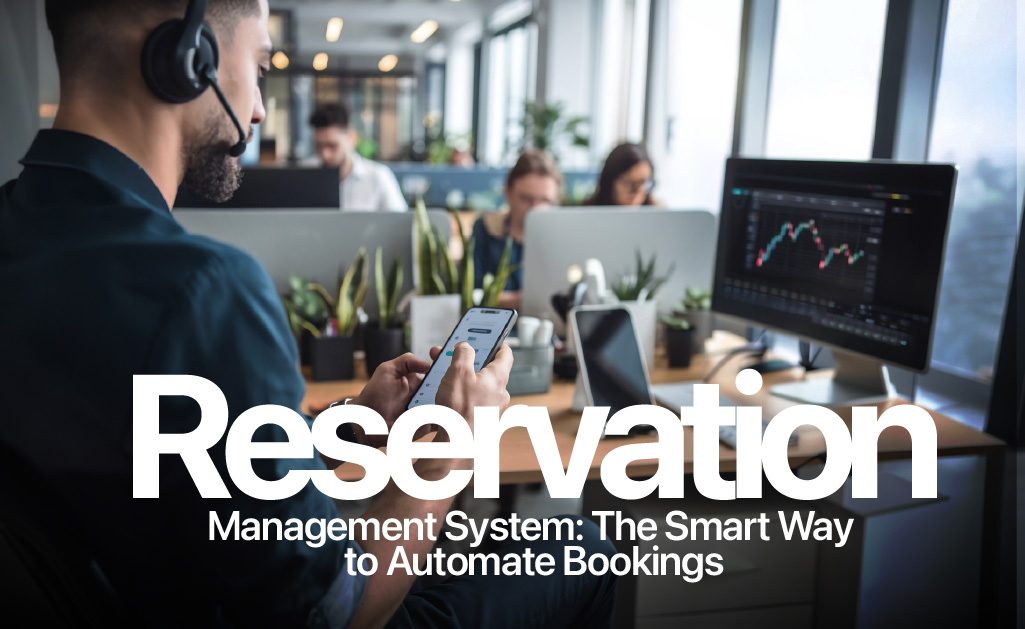
 Why Your Booking Process Needs an Upgrade
Take an honest look at how you handle bookings right now. If it’s all happening in a paper logbook, a messy spreadsheet, or through endless email chains, you’re essentially forcing your business down a single-lane road during rush hour. It’s congested, inefficient, and accidents like double bookings are inevitable. A reservation management system turns that jammed-up road into a smart, multi-lane highway. It directs traffic, prevents collisions, and gets every customer where they need to go without the frustration.
This isn’t just about convenience. In today’s competitive market, it’s about survival. Businesses clinging to outdated methods risk being left behind by competitors who offer a seamless, 24/7 booking experience that modern customers expect.
The True Cost of an Outdated Reservation Management System
A clunky booking process introduces problems at the very first touchpoint with a potential customer. Those problems aren’t just minor annoyances; they have real, tangible costs that add up fast.
Just think about these common headaches:
- Lost Revenue: If a customer can’t easily book online, they’ll just go somewhere else. Studies show over 40% of bookings are now made outside of normal business hours. Without an automated system, you’re missing every single one.
- Operational Inefficiency: Your team is burning valuable time manually confirming appointments, handling rescheduling, and answering the same booking questions over and over. That’s time they could be spending on high-value tasks that actually grow the business.
- Poor Customer Experience: Nothing sours a customer faster than a double booking, wrong information, or a lack of confirmation. That bad first impression can wreck your brand’s reputation and kill any chance of repeat business.
The key takeaway is this: An outdated booking process isn’t just an inconvenience; it’s a direct threat to your revenue and customer loyalty.
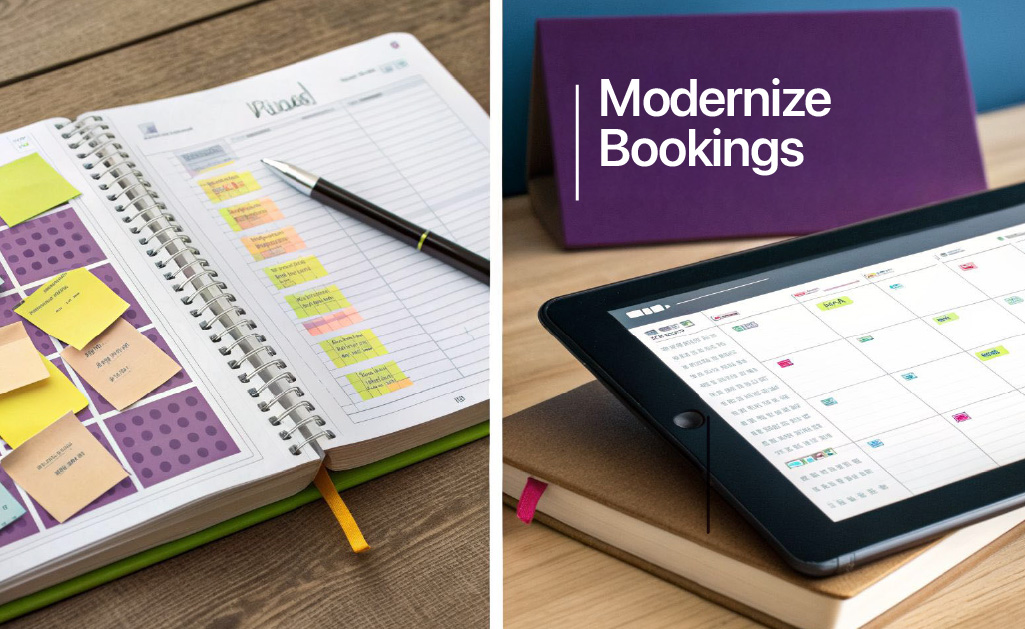 The Power of Automation and Centralization in Reservation Systems
This is where a reservation management system changes everything. By pulling all your bookings into one central dashboard, the platform gives you a real-time, single source of truth for your entire schedule. No more jumping between different calendars or second-guessing if a phone booking was ever logged.
Of course, some complex scheduling still needs a human touch. For businesses that need the best of both worlds, pairing this technology with a professional support team is key. For example, a virtual answer service with live agents can bridge the gap between automation and high-touch customer care. This hybrid model lets the system handle routine bookings with perfect efficiency, while expert agents step in for nuanced inquiries, creating an unbeatable customer experience that builds loyalty and drives growth.
Understanding Reservation Management Systems
Let’s cut through the jargon. What is a reservation management system, really?
Think of it as the central nervous system for your business operations. It connects every booking, customer interaction, and schedule change into one intelligent hub, serving as the definitive upgrade from clumsy spreadsheets and old-school paper logbooks.
At its core, a reservation management system is a software platform built to automate and centralize your entire booking process. Instead of your team manually juggling phone calls, emails, and walk-ins, the system handles it all. Your availability is always accurate and up-to-date, no matter where a customer is booking from—your website, a partner app, or over the phone.
This isn’t just about making things easier—it’s about taking back control. A modern system turns chaotic, reactive scheduling into a proactive, well-oiled machine. It captures key data, sends out automated messages, and gives you a crystal-clear, real-time picture of your business’s schedule.
From Double Bookings to Optimized Operations: A Real-World Example
To see how this works in the real world, let’s look at a busy healthcare clinic. Before implementing a new system, the front desk was a mess. They were constantly dealing with double bookings for their most popular doctors.
Staff spent hours every day on the phone just confirming appointments, and no-shows were a huge problem because patients would simply forget. The administrative work was piling up, pulling skilled staff away from what really mattered: patient care.
Once they put a reservation management system in place, everything changed.
- The clinic gained a single, unified calendar showing real-time availability.
- Patients could book their own appointments online whenever it was convenient for them.
- The system automatically sent email and SMS reminders, which slashed their no-show rate.
The clinic’s staff was freed from the constant burden of administrative tasks, allowing them to focus on providing an exceptional patient experience. This is the powerful, real-world ROI of intelligent automation.
The Core Functions of Reservation Management Systems
While features can differ, every solid platform is built on a few core functions. Think of these as the engine driving your efficiency and growth.
- Real-Time Availability Tracking: The system instantly updates your schedule the moment a booking is made, changed, or canceled. No more overbookings.
- Automated Confirmations and Reminders: Drastically reduce no-shows and keep customers in the loop with automated emails and text messages about their appointments.
- Secure Payment Processing: Many systems let you securely collect deposits or full payments right at booking, which improves your cash flow and cuts down on financial risk.
- Customer Data Management: Capture and organize valuable customer information, like their booking history and preferences, so you can personalize future interactions and build loyalty.
This technology is expanding at an incredible pace. The global call center software market, valued at over USD $41.7 billion in 2025, is set to grow at a 21.9% CAGR from 2026 to 2033. This boom is fueled by AI and SaaS innovations that make booking faster and support more personal, cutting response times by up to 30%. You can discover more call center industry trends to see how technology is reshaping customer interactions.
For many businesses, especially in hospitality, a modern reservation system is a crucial piece of a larger Property Management System (PMS). Understanding the benefits of seamless Hotel PMS Integration can unlock even greater operational efficiency. These same advancements are at the heart of modern support platforms, and you can learn more about the role of SaaS help desk solutions in building a smarter customer experience.
Key Features of a Powerful Reservation System
When you start shopping for a reservation management system, the sheer number of features can feel overwhelming. It’s easy to get lost comparing flashy add-ons you’ll never use. The key is to cut through the noise and focus on the core components that actually drive efficiency and improve customer satisfaction.
Think of it this way: some features are non-negotiable foundations, while others are nice-to-have upgrades. Let’s break down what you absolutely need versus what you can add later as you grow.
The Core Features Your Reservation Management System Can’t Live Without
These are the foundational tools that form the backbone of any real reservation system. If a platform doesn’t nail these four things, it’s not much better than a glorified spreadsheet and won’t solve your biggest operational headaches.
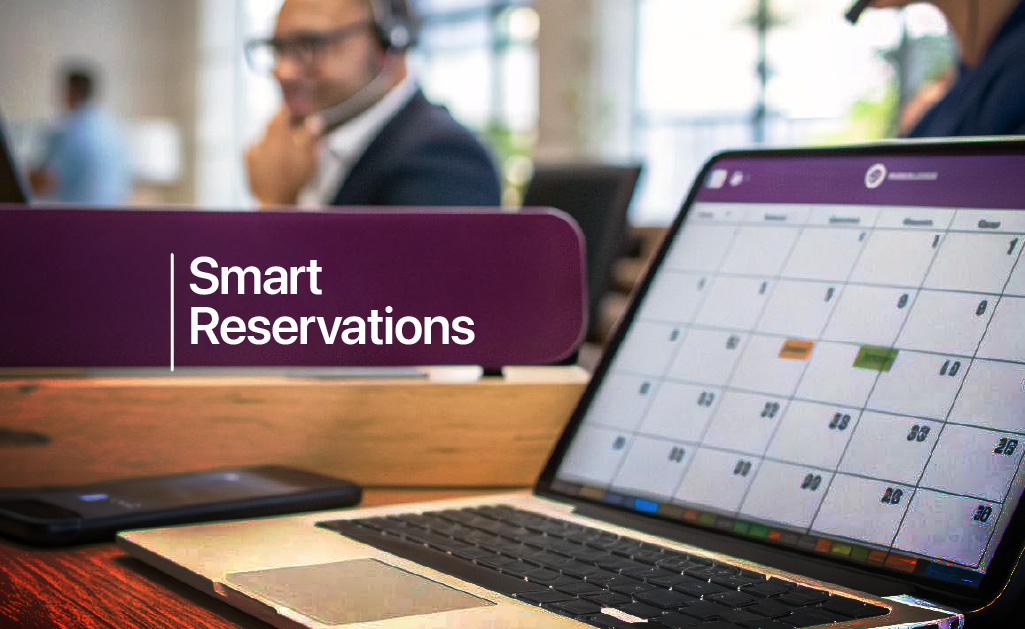
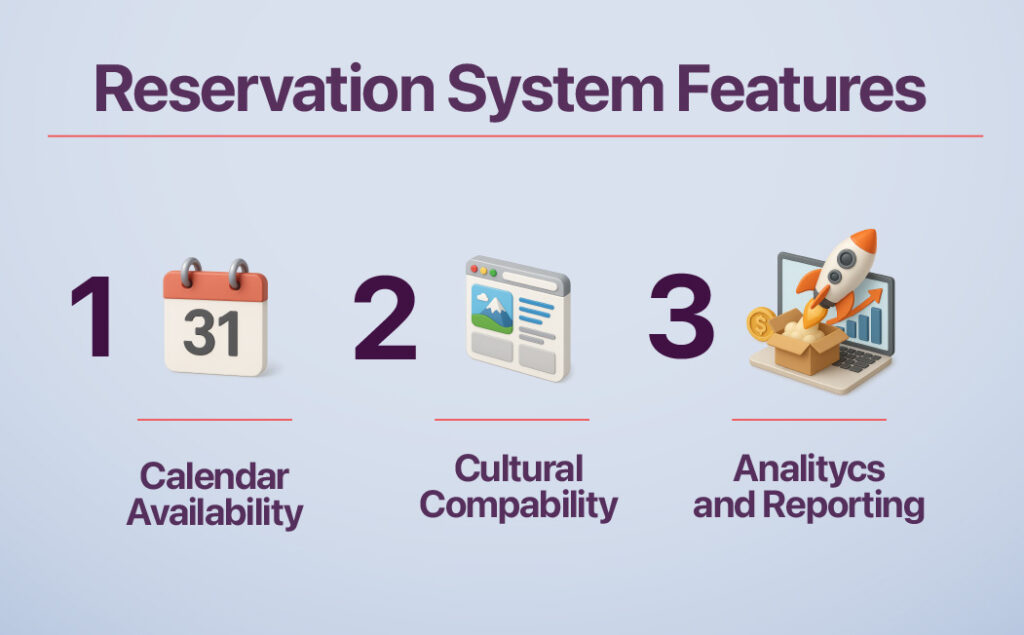
- A Unified Multi-Channel Calendar: This is your command center. It must provide a single, real-time view of every booking, no matter where it came from—your website, a phone call, or a third-party app. When an appointment is booked, it must update instantly across all channels to eliminate double bookings for good.
- An Easy-to-Use Online Booking Portal: Your customers want the freedom to book 24/7 without picking up the phone. A clean, simple, and mobile-friendly booking portal is non-negotiable. If the process is confusing, you’ll lose customers before they even confirm their spot.
- Automated Customer Communications: This is a massive time-saver that also elevates the customer experience. Your system should automatically send email and SMS confirmations when a booking is made, plus send reminders beforehand. That simple step has been shown to slash costly no-shows by more than 30% in some industries.
- Clear Analytics and Reporting: A great system does more than just take bookings—it gives you data you can actually use. A good dashboard helps you understand peak booking hours, which services are most popular, and how your customers behave.
Your reservation system should work for you, not the other way around. If a platform can’t deliver on these four fundamentals, it’s not the right tool for the job.
Essential vs. Advanced Features in Reservation Systems
Once you’ve confirmed the basics are solid, you can explore the more advanced features that help you optimize and scale. Knowing the difference helps you decide what you truly need now versus what can wait. For example, scheduling is a core function, but some platforms offer sophisticated capabilities like those found in tutoring scheduling software, which manage complex staff and resource assignments.
To make it clearer, here’s a breakdown of the must-haves versus the nice-to-haves.
| Feature Category | Essential Feature (Must-Have) | Benefit | Advanced Feature (Nice-to-Have) | Benefit |
|---|---|---|---|---|
| Scheduling & Calendars | Centralized, real-time calendar | Prevents double bookings and provides a single source of truth for your schedule. | Staff & Resource Management | Optimizes staff schedules and allocates resources (e.g., rooms, equipment) automatically. |
| Customer Interactions | Automated email/SMS reminders | Reduces no-shows and keeps customers informed without manual effort. | Integrated CRM Capabilities | Tracks customer history, preferences, and communication, allowing for personalized service. |
| Booking & Payments | Simple online booking portal | Allows customers to book 24/7, capturing business outside of office hours. | Secure deposit and payment processing | Reduces no-shows further by taking upfront payments and simplifies on-site checkout. |
| Business Insights | Basic booking reports (e.g., volume, no-shows) | Helps you track performance and identify simple trends. | Advanced revenue management tools | Uses data to suggest dynamic pricing, optimize occupancy, and maximize revenue. |
Choosing the right features from the get-go ensures your reservation management system not only solves today’s problems but is also ready to grow with you. The goal isn’t to buy the system with the longest feature list; it’s to get the one with the right features for your business.
Integrating Your System with Expert Call Center Support
A great reservation management system is like a powerful engine for your business. But even the best engine needs a skilled driver to handle the tricky parts of the road. That’s where integrating your system with a professional, bilingual call center comes in. It’s the combination that turns a good booking process into an outstanding customer experience.
Your automated system is a workhorse, perfectly handling the straightforward bookings and confirmations. But what happens when things get complicated? That’s when you need an expert agent to step in, turning a potential customer headache into a positive interaction.
Bridging the Gap Between Automation and Human Support
Think about all the times automation just can’t keep up. A customer might need to reschedule a complex, multi-part appointment. Or maybe they have a specific question about your services that isn’t covered in the FAQ. Forcing them through a rigid automated menu is a surefire way to lose their business.
This is where the real magic happens:
- Automation Handles the Volume: Your reservation management system works 24/7, scheduling standard appointments and sending reminders without anyone lifting a finger. It keeps your calendar full and your operations running smoothly.
- Agents Manage the Value: Our trained agents step in for the complex stuff—handling nuanced inquiries, managing sensitive rescheduling requests, and giving high-value customers the personalized attention they deserve. They add the human touch that tech simply can’t.
Take an e-commerce brand that uses its reservation system for product demos. The software schedules the appointment perfectly. But our agents at CallZent make the crucial follow-up calls to confirm details, answer last-minute questions, and build rapport. That personal touch drastically cuts down no-show rates and makes sure the lead is warmed up and ready for the sales team.
Technology books the appointment; a great agent secures the relationship.
Why a Bilingual Call Center Is a Game Changer for Reservation Management
In today’s market, speaking your customer’s language isn’t just a nice-to-have—it’s a massive competitive advantage. Partnering with a bilingual call center means you can serve a much wider audience with the same level of professional care.
When you integrate a bilingual support team with your reservation management system, you get some serious benefits:
- Expanded Market Reach: You can confidently serve Spanish-speaking customers, giving them a clear and comfortable booking experience from start to finish.
- Enhanced Customer Trust: When people can communicate in their own language, it builds instant trust and shows you actually value their business.
- Seamless 24/7 Coverage: Your reservation desk is never “closed.” Agents are there to handle after-hours calls, weekend inquiries, and overflow during your busiest times, so you never miss a booking.
A trained agent can quickly navigate your system to handle any customer request, moving from checking calendar availability to finalizing the booking and even reviewing performance data.
This human-tech partnership isn’t just about making things easier; it’s about being smarter with your resources. It’s the future of excellent service. By having a skilled team manage your system, you get the efficiency of automation and the empathy of a real person.
If you’re curious how this works in the real world, check out the best call center practices for reservation services and see how they can be applied to your business. This combination is what sets leading brands apart.
Choosing the Right Reservation Management System for Your Industry
Choosing a reservation management system isn’t like buying software off the shelf. A one-size-fits-all approach is a recipe for frustration and wasted money.
The system that’s perfect for a hotel will be a terrible fit for a doctor’s office. The trick is to match the system’s features to your industry’s unique demands, compliance rules, and what your customers actually expect.
Thinking about these specific needs from day one will keep you from overpaying for features you’ll never use or, even worse, picking a system that can’t handle your most basic operations. Getting this right means you’re making a smart investment that actually supports your business—not one that creates new headaches.
Reservation Management Systems for Healthcare Providers
In healthcare, patient trust and data security are everything. A generic booking tool isn’t just a bad idea; it puts you at serious risk of violating patient privacy laws. The right system has to be a fortress, built to protect sensitive information while making the patient experience as simple and stress-free as possible.
Here’s what you absolutely must prioritize in a healthcare reservation system:
- HIPAA Compliance: This is completely non-negotiable. Any system that touches Protected Health Information (PHI) must meet strict HIPAA security standards for data encryption, access controls, and storage. Getting this wrong can lead to fines up to $1.5 million per year.
- Seamless Patient Portal Integration: The system should plug directly into your existing Electronic Health Record (EHR) and patient portal. This gives patients a single, unified place to book appointments, check their records, and get reminders.
- Complex Appointment Scheduling: Medical scheduling is rarely simple. It often involves juggling specific doctors, exam rooms, and specialized equipment. A good healthcare reservation system manages all these moving parts without creating double-bookings or conflicts.
For healthcare organizations trying to perfect their patient scheduling, blending the right tech with a human touch is key. You can learn more about how we do it in our guide to medical appointment scheduling services, which breaks down how to build an efficient and compassionate patient journey.
Reservation Systems for E-commerce and Retail
For e-commerce and retail, reservations are usually tied to valuable experiences—think product demos, personal styling sessions, or in-store workshops. The main goal here is turning a customer’s interest into a scheduled interaction that ends in a sale.
Your system needs to connect the booking process directly to your sales and marketing engine. Look for a reservation system that delivers:
- CRM and Inventory Integration: The platform must communicate with your Customer Relationship Management (CRM) system. This lets you personalize the booking experience based on a customer’s past purchases and track how that appointment impacts your sales figures.
- Automated Follow-ups for Sales: It should do more than just send reminders. The system needs to trigger smart follow-up sequences that nurture leads. For instance, after a product demo, it could automatically send a targeted discount or a direct link to buy.
- Easy Embedding on Product Pages: Let customers book a demo or consultation right from the product page they’re already on. The less friction, the better. This is how you capture high-intent leads before they click away.
For retail and e-commerce, a reservation is not just an appointment; it’s a qualified lead. Your system must function as a sales and marketing tool.
Reservation Management for Financial Services
In the world of finance, security, professionalism, and clarity are non-negotiable. Clients are scheduling time to discuss highly sensitive financial matters, so the booking process itself must inspire confidence from the very first interaction. A clunky or insecure system can kill your credibility instantly.
Your focus should be squarely on:
- Robust Security Measures: Go beyond standard encryption. Look for features like two-factor authentication and secure data centers. Clients need absolute peace of mind that their personal and financial data is locked down.
- Multi-location and Advisor Calendars: The system must handle appointments across different branches and for multiple advisors, each with their own specialties. It should be smart enough to route clients to the right person based on their stated needs.
- Automated Document and Prep Reminders: Make every consultation more productive. The system can automatically send reminders that include a checklist of documents the client needs to bring, so everyone comes prepared.
Implementing and Measuring Your Reservation System’s Success
You’ve picked out the perfect reservation management system. That’s a huge win, but the real work—and the real payoff—starts now. This is the part where your careful planning meets the real world. A great launch is more than just flipping a switch; it’s about having a solid game plan for moving your data, getting your team on board, and going live without a single hiccup for your customers.
If you rush this part, you’re asking for trouble. Think lost appointments, a frustrated team, and confused customers. To sidestep those common headaches, treat your rollout like a project with clear, manageable phases. Get this right, and you’ll set yourself up for immediate wins and long-term success.
 Your Reservation System Implementation Roadmap
Think of this as a step-by-step journey, not a sprint. A phased approach is your best friend here, making sure no detail gets overlooked.
- Data Migration and Cleanup: This is job number one. You’ll need to get all your existing customer profiles, booking histories, and future reservations into the new system. Don’t just copy-paste your problems. Use this as a golden opportunity to clean house—archive outdated records, fix typos, and get everything into a standard format.
- System Configuration: Now it’s time to make the software your own. This is where you set up your specific services, employee schedules, business hours, and payment rules. You’ll also want to customize all your automated messages for confirmations, reminders, and follow-ups to reflect your brand voice.
- Staff Training: Your team needs to feel like pros from day one. Run hands-on training sessions that cover all the daily tasks they’ll perform, how to handle common issues, and what the new reports can tell them. When your team is confident, they make the whole system shine.
- A Phased Go-Live: Instead of a risky, all-at-once launch, go for a soft opening. You could run the new system alongside the old one for a week, or perhaps start by taking only new bookings through the new platform. This gives you a chance to iron out any wrinkles before you go all in.
A smooth launch is also about good communication. Give your loyal customers a heads-up about the new system and get them excited about the perks, like easier online booking. This turns a technical switch into a win for them, too.
Measuring What Matters Most: KPIs for Your Reservation System
So, your new system is up and running. How do you actually know if it’s making a difference? Success isn’t just about having shiny new software; it’s about seeing real, measurable improvements in your business. It’s time to look past the surface-level numbers and dig into the Key Performance Indicators (KPIs) that truly show your return on investment.
A successful reservation management system doesn’t just manage bookings—it actively improves your bottom line and enhances the customer experience.
By tracking these KPIs, you get a crystal-clear picture of your system’s impact and know exactly where to make adjustments. You should be laser-focused on:
- Reduced No-Show Rate: Are those automated reminders paying off? A noticeable dip in no-shows goes straight to your bottom line.
- Increased Online Booking Percentage: How many customers are booking on their own time, without calling your staff? This number tells you how much administrative time you’re saving.
- Higher Repeat Bookings: Are customers coming back more often? A painless booking process is one of the biggest drivers of customer loyalty.
- Improved Customer Satisfaction (CSAT) Scores: After the system has been live for a bit, send out a survey. A jump in satisfaction scores is undeniable proof that you made the right move.
The move toward smart automation is undeniable. Recent reports predict that by 2026, 88% of contact centers will have AI deeply integrated into their operations, with human-AI teams handling 76% of complex customer issues. This tech is delivering big results, boosting CSAT scores from 28% to 67% in some industries. You can learn more about these key customer service statistics to see just how big the impact is.
By pairing your new system with flexible cloud call center solutions, you can blend powerful automation with expert human support to get the best of both worlds.
Common Questions About Reservation Management Systems
Even with all the benefits laid out, you probably still have a few practical questions about what it really takes to get a system in place. Let’s tackle the most common hurdles and concerns we hear from businesses.
Getting straight answers is the best way to move forward with confidence.
What Is the Typical Cost of a Reservation Management System?
It’s more affordable than most people think. The vast majority of modern systems run on a subscription model, with different price tiers based on what you need—like the number of users, locations, or specific features.
Basic plans can start as low as $50 per month. More powerful platforms with a ton of integrations might run several hundred dollars. It’s best to see it as an investment, not just an expense. The time your team gets back and the money you save from fewer no-shows usually pay for the system many times over.
How Does a Reservation System Integrate with My Website?
Flawlessly. Modern reservation management systems are built to plug right into your existing website. Most provide a simple snippet of code that you or your web developer can add to your site in minutes.
This creates a booking widget or a full-blown booking page that automatically matches your brand’s look. The goal is simple: let customers book an appointment without ever having to leave your website. It’s a clean, professional experience that doesn’t require a total site redesign.
How Can a BPO Service Manage My Reservation System After Hours?
This is where you get a real competitive edge. A BPO partner like CallZent gives you trained, professional agents who become a true extension of your team. We get secure access to your reservation system to handle every call that comes in after hours or when your team is swamped.
For example, when a customer calls at 9 PM on a Tuesday, our agent sees your real-time availability in your reservation management system and books them directly. All the details are captured correctly, and the customer receives an immediate confirmation. This means your business is effectively open 24/7, and you never miss a booking opportunity.
🚀 Improve Your Reservation Experience
CallZent helps businesses manage reservations with professional bilingual call center teams that work seamlessly with your booking technology. Deliver faster service, reduce missed appointments, and never miss a booking opportunity.
Schedule a CallReady to pair powerful reservation technology with expert human support? CallZent provides bilingual, 24/7 call center services to manage your bookings, delight your customers, and help you grow. Learn more about our custom solutions at https://callzent.com.