
Contact Center Strategy
Inbound vs Outbound Call Center: A Practical Guide to Strategy, KPIs, and Blended Operations
Match customer-initiated support and business-initiated outreach to the right staffing, technology, controls, and outcomes.
TL;DR — Quick Takeaways
- Inbound customers initiate contact; outbound teams initiate contact for an approved business purpose.
- Inbound planning protects queue access and resolution; outbound planning manages eligible records and campaign outcomes.
- Use different KPI definitions and targets for each model while maintaining shared quality standards.
- Blended teams need protected inbound capacity, switching rules, cross-training, and separate reporting.
- Bilingual nearshore delivery can support collaboration, but technology, training, and controls determine performance.
A common shorthand for inbound vs outbound call center strategy is incomplete. Many business leaders are told to choose inbound for service and outbound for sales, then move on. In practice, the harder decision is deciding which customer journeys require a response, which deserve proactive contact, and which should move between both models without creating staffing, compliance, or customer experience problems.
Inbound and outbound operations aren’t two versions of the same call script. They use different planning logic, agent profiles, technology, and operating controls. A support queue can’t be managed like a sales campaign, and a sales list can’t be judged by the same service-level target as a customer waiting for help.
Understanding Inbound and Outbound Call Center Models
The basic distinction is simple. Inbound calls begin with the customer, while outbound calls begin with the business. The operational consequences are much bigger than that definition suggests.
Inbound teams receive customers who already have a question, problem, purchase need, or urgent concern. Their work is reactive, but it isn’t passive. Agents must authenticate the customer, understand the reason for contact, find the right answer, and often coordinate with another team before ending the interaction. The customer may be calling about an order, an account, a technical failure, an appointment, or a billing issue.
Outbound teams create contact according to a business objective. That objective might involve sales, lead qualification, appointment setting, surveys, market research, retention, renewals, or payment reminders. The agent must earn attention quickly because the customer hasn’t necessarily requested the conversation.
Call direction describes who starts the contact, not its entire purpose. Inbound calls can include purchase inquiries, and outbound calls can provide service reminders or requested follow-ups. Separate direction, intent, and outcome when planning the operation.
Two operating engines, not two scripts
An inbound operation is built around customer intent and queue health. The business doesn’t control exactly when customers call or what they need. It can forecast patterns, create self-service options, and staff for expected demand, but the queue remains influenced by product issues, billing events, outages, and seasonal activity.
An outbound operation is built around campaign control and contact yield. The business selects a list, defines an offer or objective, schedules outreach, and measures what happens after a live connection. A productive outbound team isn’t just making more calls. It’s improving the quality of the list, the timing of the contact, the relevance of the message, and the next step.
Digital journeys can create voice demand in both directions. A customer may call after visiting a website or request a callback through an online form. Record the reason for contact and carry that context into the conversation instead of treating every call as a new interaction.
Practical rule: Choose the operating model based on who controls the start of the conversation and what outcome the business needs afterward.
For a company managing technical support, order questions, or account issues, inbound call center services can create a structured response layer. For a company trying to qualify prospects or reactivate customers, outbound capability may be more appropriate. Many organizations need both, but they shouldn’t pretend both can be managed with one undifferentiated process.
Comparing Technology and Staffing Requirements
Technology should follow the workflow, not the other way around. Inbound and outbound centers both need telephony, customer records, quality controls, and reporting, but they use those components differently.
Inbound planning is queue-driven. A customer arrives, enters an IVR or routing flow, and waits for an available agent. The operation must protect service levels during demand spikes, route contacts to the right skill group, and give agents enough customer history to resolve the issue without unnecessary transfers.
Outbound planning is dialer- and contact-yield-driven. The center controls the campaign schedule and uses a lead list, dialer logic, contact rules, and outcome codes to move from one attempted contact to the next. The key question isn’t how many callers are waiting. It’s how efficiently the team turns eligible records into live conversations and commercially useful outcomes.
Infrastructure differences
| Feature | Inbound Call Center | Outbound Call Center |
|---|---|---|
| Call initiation | Customer starts the conversation | Business or agent starts the conversation |
| Primary workflow | Queue, routing, service, resolution | Eligible list, outreach, contact, campaign outcome |
| Core technology | ACD, IVR, CRM, ticketing, knowledge base | Preview, progressive, or predictive dialing as appropriate; CRM and list management |
| Staffing priority | Flexible coverage for changing demand | Productive capacity aligned to campaign volume |
| Agent profile | Empathy, listening, troubleshooting, product knowledge | Resilience, persuasion, objection handling, time management |
| Main operational risk | Wait time, abandonment, transfers, unresolved issues | Low answer rates, poor list quality, compliance failures |
| Management focus | Service continuity and resolution quality | Right-party contacts, campaign outcomes, and contact economics |
An inbound agent may need to help a frustrated customer diagnose a technical issue while navigating a CRM, knowledge base, and escalation process. Product knowledge and emotional control matter more than a polished sales pitch. If the agent can’t resolve the issue, a short handle time isn’t a success.
Outbound agents need a different type of stamina. They may speak with prospects who aren’t expecting the call, hear repeated objections, and still deliver a clear value proposition on the next conversation. A strong outbound process gives agents relevant customer context, approved language, clear disposition codes, and a defined follow-up path.
Staffing is a forecasting problem
Inbound schedules must account for arrival patterns and service-level commitments. A center that staffs only for average demand will struggle when a product issue causes a sudden increase in calls. Flexible shifts, cross-training, and accurate intraday management become essential.
Outbound schedules can be more campaign-specific, but that doesn’t make them simple. The operation needs enough eligible records, accurate contact permissions, appropriate dialing rules, and a realistic expectation of live conversations. Adding agents to a weak list won’t fix the economics.
Workforce management platforms can support forecasting, scheduling, adherence, and intraday adjustments, but configuration still depends on the model. Teams evaluating contact center workforce management should ask whether the provider can manage queue coverage and campaign capacity through the same operating framework.
Measuring Success With the Right KPIs
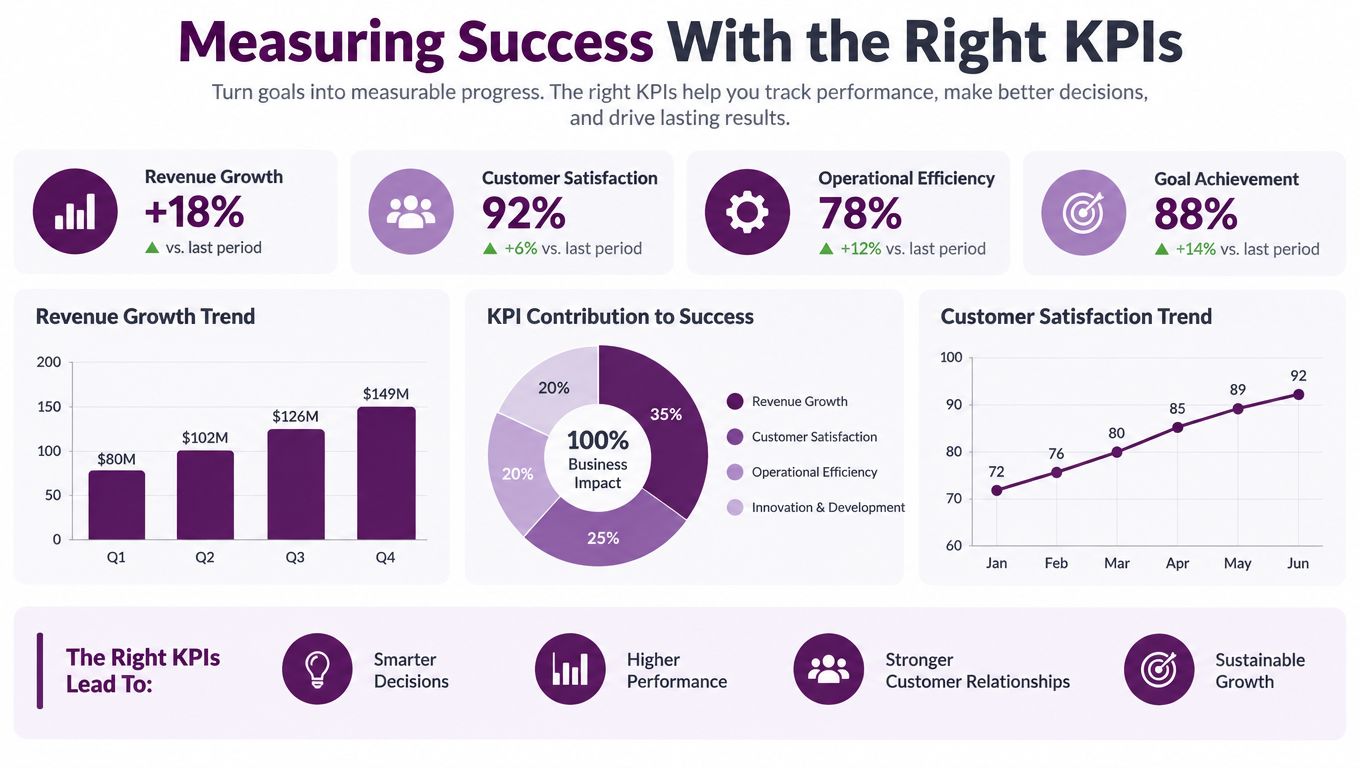
A busy call center can still produce poor business results. High inbound volume may reflect long waits, repeat contacts, or unresolved issues. High outbound activity may reflect weak records and few live conversations. The KPI framework must connect daily operations to service quality, revenue, and customer retention.
Inbound metrics measure access and resolution
Inbound leaders track Average Speed of Answer, or ASA, to see how quickly customers reach an agent. Average Handle Time, or AHT, measures the time needed to complete an interaction, including conversation, holds, and after-call work. AHT supports capacity planning, but cutting it without context can create rushed conversations and repeat contacts.
First-Call Resolution, or FCR, shows whether the operation resolves issues without requiring another contact. Transfer rate can expose gaps in routing, training, or system access. Abandonment rate shows how many callers leave before reaching an agent, but the definition must be consistent across reports.
Define abandonment and service level together. If short abandons are excluded from a calculation, document the cutoff and report excluded calls separately. Different denominators can make two providers appear comparable when their reports describe different populations.
An illustrative inbound objective is an 80/20 service-level target, meaning 80% of eligible calls answered within 20 seconds under the agreed formula. Treat it as a planning reference, not a universal promise. The appropriate target depends on urgency, customer value, alternative channels, and the cost of adding coverage. Teams building a fuller scorecard can review a guide to the best call center KPIs and select measures that reflect their actual customer journey.
AI can improve this scorecard by identifying repeat-contact patterns, summarizing interactions, and flagging quality risks. It should support agent judgment rather than obscure accountability, especially when calls involve sensitive customer information or regulated processes.
Compare outcomes using explicit definitions
| Measure | Inbound use | Outbound use |
|---|---|---|
| Access | Service level, ASA, abandonment | Live-human answer and right-party contact rates |
| Outcome | Resolution and repeat contacts within a defined window | Qualified leads, completed surveys, renewals, or the agreed campaign goal |
| Quality | Accuracy, authentication, documentation, and handoff quality | Accurate disclosures, customer treatment, documentation, and follow-up quality |
| Cost | Cost per resolved issue, including repeat work | Cost per qualified or completed outcome, including list and follow-up costs |
Outbound metrics measure contact economics
Outbound managers need to know how many attempts become live conversations. Live-human answer rate and right-party contact rate are important access measures because a machine answer is not a conversation with the intended person. Contact rate is a gating metric because a campaign cannot convert customers an agent never reaches. The team then tracks conversion rate, calls per agent per hour, cost per contact, revenue per successful call, and list penetration.
Conversion rate needs an explicit denominator: all attempts, live contacts, decision-maker conversations, or qualified opportunities. Renewal outreach, requested lead follow-up, and cold prospecting begin with different levels of intent and permission. Compare campaigns with similar populations and goals rather than borrowing a generic conversion target.
Do not transfer inbound logic to outbound campaigns
An inbound manager focused only on AHT may encourage rushed support. An outbound manager focused only on calls per hour may reward weak conversations and poor customer treatment. KPIs must match the operating equation and the campaign’s compliance requirements.
For inbound, reduce unnecessary waiting, transfers, repeat contacts, and after-call work while protecting resolution quality. For outbound, improve live connects, lead scoring, list management, consent controls, and qualified outcomes rather than raw activity. Nearshore blended teams can use one shared dashboard while separating service, sales, quality, and compliance measures by queue.
The most expensive KPI mistake is measuring effort when the business actually needs an outcome.
Matching Call Center Models to Real-World Use Cases
The best model becomes clearer when the customer journey is mapped from trigger to resolution. A retailer, clinic, insurer, or telecom provider may use both models, but each interaction should have a specific reason for belonging in one queue or campaign.
E-commerce and retail
A shopper calls inbound support because an order hasn’t arrived, a return needs authorization, or a product doesn’t work as expected. The agent needs access to order history, shipping status, inventory information, and return rules. The customer already has a reason for contacting the company, so speed and clarity shape the experience.
Outbound contact can support the same journey without replacing service. Subject to the approved contact permissions, a retailer may follow up on an abandoned-cart inquiry or an earlier product question, invite an existing customer into a loyalty offer, or check whether a replacement order arrived. The outreach should be connected to a known event. Cold messaging a customer with no relevant context usually creates resistance.
Healthcare
A healthcare provider uses inbound support for appointment scheduling, patient questions, billing inquiries, and routing to appropriately qualified staff. Agents need careful identity verification, accurate information, escalation rules, and a calm communication style.
Outbound work can reduce missed appointments through reminders, support prescription refill notifications, coordinate follow-up care, or collect post-care feedback. Nonclinical support agents should route clinical questions and urgent concerns through the provider’s approved procedures. The workflow helps the provider reach patients who may not initiate contact.
Financial services and insurance
A bank or insurer may need inbound agents for claims questions, account assistance, policy information, and issue resolution. Customers expect secure handling of information and a clear explanation of the next action.
Outbound teams can qualify leads, remind customers about renewals, request missing documentation, or support retention efforts. The line between useful outreach and unwanted pressure is narrow. Agents need approved scripts, clear permissions, and a CRM record that shows the customer’s relationship with the business.
A blended journey in practice
Consider an insurance broker whose customer receives a renewal reminder. The outbound agent explains the renewal timeline and schedules a review. If the customer calls back with a coverage question, the inbound team should see the outreach history and continue the conversation without forcing the customer to repeat it.
This is why outbound call center services should connect to customer service rather than operate as an isolated sales function. The right question isn’t “Should we use inbound or outbound?” It’s “Which contact should happen first, and what experience should follow?”
Navigating Compliance and the Impact of AI
Business-initiated calling requires a campaign-specific review of purpose, recipient, dialing method, consent or other applicable permission, calling hours, and suppression rules. U.S. requirements can involve the TCPA, the FTC’s Telemarketing Sales Rule, state rules, and sector-specific obligations. Avoid assuming that all outbound calls require identical consent or that every business contact is exempt.
The FTC’s telemarketing guidance explains that covered calls to U.S. consumers can be subject to its rules even when made from outside the United States. It also addresses inbound sales and upselling in certain circumstances. Calling direction alone therefore does not determine whether a campaign is compliant.
That makes compliance a workflow requirement, not a legal paragraph added to a campaign document. List acquisition, consent capture, suppression management, calling logic, recordings, agent disclosures, and escalation procedures all need ownership. A predictive dialer can increase productivity, but it can’t repair an outdated list or missing permission.
Inbound support generally has less friction around unsolicited outreach because the customer starts the contact. It still requires secure data handling, authentication, privacy controls, quality monitoring, and disciplined access to customer records. The lower outreach risk doesn’t eliminate operational responsibility.
AI changes task allocation
AI shouldn’t be evaluated only as a headcount replacement. Conversational AI can handle routine inbound questions, collect information, provide status updates, route contacts, summarize conversations, and help agents find the next action. In outbound programs, AI can support lead prioritization, follow-up timing, data collection, and structured qualification.
Evaluate automation using your own controlled pilot. Measure completion accuracy, repeat contacts, corrections, transfer quality, and customer outcomes. A high automated-handling rate is not useful if customers return because the initial answer or next step was wrong.
The practical implication is task segmentation. Routine, repeatable, low-risk interactions are candidates for automation. Complex complaints, emotionally charged conversations, exceptions, negotiations, and high-value decisions still need skilled human judgment. AI can make the handoff better by preserving context instead of making the customer start over.
For automated outbound voice, review the technology as well as the script. The FCC’s 2024 ruling treats AI-generated human voices as artificial voices under the TCPA. That classification brings applicable calling restrictions into the workflow; it is not a blanket statement that every AI-assisted task is prohibited. Confirm current campaign requirements before launch.
Exploring Blended Operations and Nearshore Solutions
The traditional image of an inbound queue or an outbound boiler room no longer describes many contact centers. Modern teams often make scheduled callbacks, follow up on digital signals, contact customers about renewals, and respond to service events that begin in another channel.
A blended operation lets trained agents handle incoming demand and approved proactive work according to priority rules. When inbound volume rises, the team protects the queue. When demand falls, eligible agents can work approved outbound follow-ups. Reserve capacity for inbound arrivals and callbacks rather than assigning every free agent to a campaign. That flexibility only works when routing, skills, permissions, scripts, and reporting are designed together.

Set switching rules before blending agents
Define which skills can serve both queues, when outbound work pauses, and who monitors the change. Set thresholds for inbound waiting, abandonment, and staffing availability. Pause new outbound dialing before the queue deteriorates, and allow active conversations to finish without rushing them.
Keep separate service and campaign reporting even when the same agent handles both. Record the queue, purpose, language, disposition, and follow-up owner for each interaction. Cross-training should cover product knowledge, permissions, sales conduct where relevant, and escalation—not just the phone controls.
Why nearshore changes the blended equation
A nearshore BPO in Mexico can support North American programs with time-zone alignment, English and Spanish coverage, cultural familiarity, and easier collaboration with client teams. Those conditions matter when agents switch between service recovery, scheduled callbacks, technical support, and customer retention.
Nearshore isn’t automatically the right answer. The provider still needs reliable workforce management, secure systems, documented compliance controls, transparent reporting, and training that reflects the client’s products. But proximity can reduce the coordination gap that often makes rigid offshore handoffs difficult.
For a business considering nearshore outsourcing solutions, the strongest use case is usually a journey that needs both responsiveness and initiative. The partner should be able to protect inbound service levels while using approved outbound capacity for follow-ups that customers recognize as relevant.
Choosing the Right Strategy for Your Business
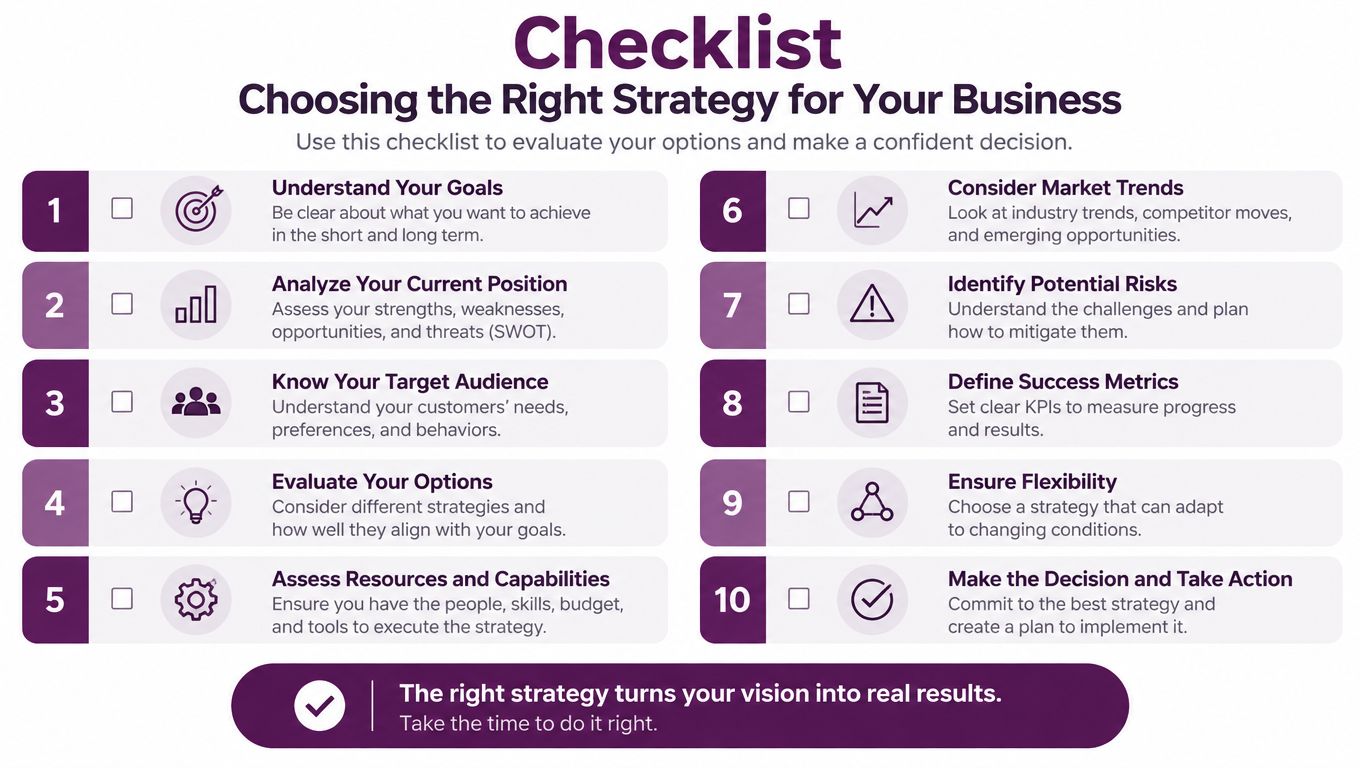
A practical decision starts with the customer journey, not the vendor pitch. Use this sequence to decide whether your operation needs inbound, outbound, or a blended model.
-
Map contact triggers. List the events that cause customers to call and the events that justify the business calling them.
-
Define purpose and direction. Classify each interaction by who initiates it and what it should accomplish. A purchase inquiry may arrive inbound; a requested service callback may be outbound. Give each workflow its own expected outcome.
-
Identify urgency. An urgent support queue needs protected capacity. A renewal reminder may allow flexible scheduling.
-
Review customer data. Confirm that agents can see account history, previous contacts, consent status, order details, and campaign outcomes in the right system.
-
Set model-specific KPIs. Use ASA, AHT, FCR, abandonment, and transfer rate for inbound. Use answer rate, conversion, calls per hour, cost per contact, and revenue per successful call for outbound.
-
Audit compliance before dialing. Verify consent, suppression lists, do-not-call handling, approved scripts, recording practices, and escalation ownership.
-
Test the staffing profile. Decide whether the work needs empathetic troubleshooters, persuasive sales agents, bilingual support, or cross-trained specialists.
-
Define AI boundaries. Assign automation to routine, repeatable tasks, and keep human review for complex, emotional, sensitive, or high-value interactions.
-
Evaluate the operating location. Compare time-zone coverage, language capability, collaboration needs, security controls, and workforce flexibility.
-
Demand transparent reporting. A provider should show the activity, quality, compliance, and commercial outcomes that match your model.
The right choice may be a protected inbound team, a focused outbound campaign, or a blended nearshore operation that shifts capacity without weakening either experience. Start with the journey, then select the technology, staffing, controls, and partner that can support it.
Frequently Asked Questions
What is the difference between an inbound and outbound call center?
Inbound teams receive customer-initiated calls. Outbound teams initiate calls for purposes such as follow-ups, lead qualification, reminders, renewals, or research. Direction identifies who starts the contact; it does not mean every inbound call is service or every outbound call is sales.
Which KPIs matter most for inbound support?
Measure service level, average speed of answer, abandonment, first-contact resolution, repeat contacts, transfers, and quality. Define measurement windows and exclusions, and use handle time for capacity planning alongside resolution quality.
How should outbound success be measured?
Track live-human answers, right-party contacts, qualified or completed campaign outcomes, follow-up quality, and cost per outcome. Specify the denominator for conversion rates and compare campaigns with similar objectives and customer populations.
Can the same agents handle inbound and outbound calls?
Yes, when trained and authorized for both workflows. A blended model needs routing priorities, protected inbound coverage, clear rules for pausing new outbound work, and separate reporting by queue and campaign.
Are inbound calls exempt from telemarketing requirements?
Not automatically. The purpose and content of a call matter, including sales and upselling in certain circumstances. Review the applicable requirements for the campaign, recipient, technology, and jurisdictions before launch.
How can bilingual nearshore teams support a blended model?
English-Spanish teams in Mexico can support shared working hours, customer support, and approved proactive follow-ups. Confirm skills, staffing, system access, contact permissions, escalation ownership, and reporting before assigning blended work.
Bilingual Nearshore Contact Center Support
Connect Responsive Support With Purposeful Outreach
Discuss your inbound, outbound, or blended workflow with CallZent. Define the English-Spanish coverage, staffing priorities, campaign goals, and reporting your business needs.